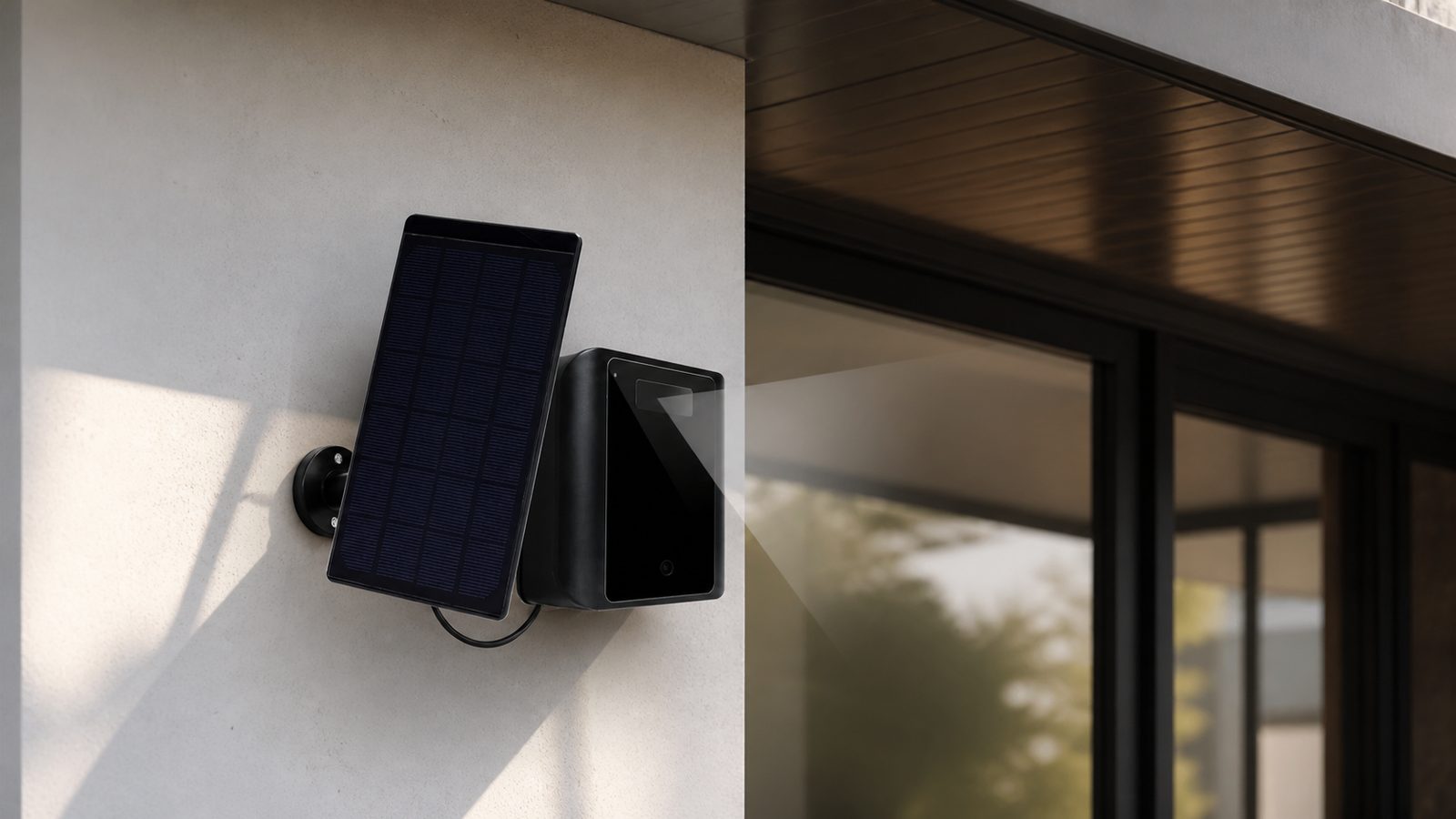
Battery WiFi Camera vs Wired WiFi Camera: A B2B Deployment Guide
For security distributors, installers and private-label brands, the choice between a battery WiFi camera and a fixed-power WiFi camera is not a simple specification comparison. It is a deployment decision shaped by power availability, installation access, maintenance capacity, expected activity level and the customer's authorized security workflow. A long-standby battery WiFi camera can reduce cabling work in the right project, while a fixed-power design may be more suitable where continuous operation and predictable power are the priority.
This guide helps B2B buyers structure that decision. It uses the Eleshine LS020 and LS011 as real battery-camera examples, but it does not present either one as a wired model. Before selecting any system, verify the latest product configuration, local wireless environment, storage plan, installation permission and privacy requirements with the supplier and end user.
1. Start with the project constraints, not the camera shape
Ask four questions before building a shortlist: Is stable power available at the proposed location? How difficult is cable routing? How often will authorized staff be able to access the device for inspection or charging? Does the area have activity patterns that suit PIR-triggered recording rather than continuous operation?
Battery deployment is often attractive when routing power would add installation time or alter an existing site. Fixed-power deployment is usually easier to manage when the location already has stable electrical access and the operator needs a predictable operating routine. Neither route is automatically better. The right choice depends on the service model that the installer and end customer can support after installation.
2. When a long-standby battery WiFi camera is the better fit
A battery WiFi camera can be appropriate for authorized commercial spaces where installation flexibility and low-power planning matter. The buyer should not judge it only by a headline standby claim. Sample evaluation should include the intended WiFi environment, PIR response, mobile-app workflow, storage behavior, charging method, physical access and the conditions that trigger recording.
The LS020 is a low-profile, smoke-detector-style long-standby WiFi camera. Its supplied manual states a 130 mm x 80 mm housing, 330-degree pan adjustment, 1080P video, PIR-triggered recording at an indicated 5 m distance and 2 m height, and operation while charging. It states up to one year of standby with its default two-battery configuration, with a longer stated standby configuration available when four batteries are specified at production. These figures should be treated as sample-test inputs rather than a blanket promise for every site.
For distributors, the purchasing question is whether the form factor, power plan and installation policy fit the permitted facility application. Confirm who will be responsible for charging, access, notification settings and any local privacy notices. For a broader product comparison, see our guide on choosing a long-standby battery WiFi camera for B2B projects.
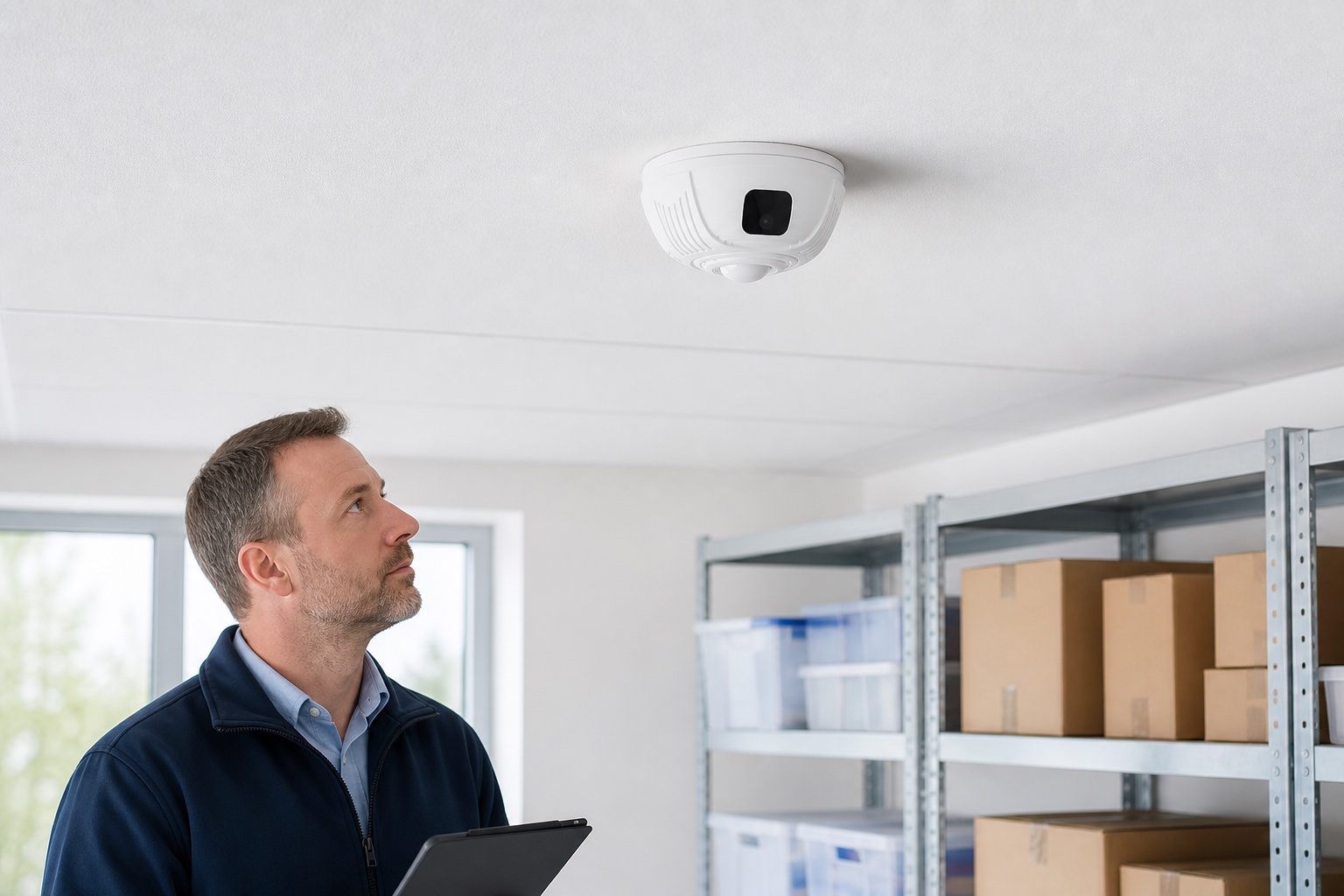
Battery deployment should be evaluated with the site owner, installer and authorized maintenance process in mind.
3. PIR and mounting design affect the maintenance plan
Battery products are often selected for low-power, event-led workflows. That makes PIR behavior, site activity and mounting position part of the buyer's maintenance calculation. A high-traffic location can create a different recording and charging profile from a low-activity storage area, even when the products look similar on paper.
The LS011 is a wall-mount long-standby WiFi camera with a supplied bracket and PIR sensor. Its manual lists 1920 x 1080 video, a 145-degree view angle, 2.4 GHz WiFi and mobile-hotspot compatibility, two-way talk, microSD support up to 64 GB, and an indicated around-one-year standby time. It also specifies that the camera can record when motion is detected and can work while charging. Validate the actual project placement, network and maintenance interval during a sample test; do not infer outdoor, waterproof or always-on performance where the product documentation does not confirm it.
For an installer, the key value is not simply the bracket. It is whether the approved mounting position gives the intended view while preserving access for authorized checks, battery management and local compliance. Buyers comparing wider camera selections can review the WiFi security camera range alongside the long-standby category.
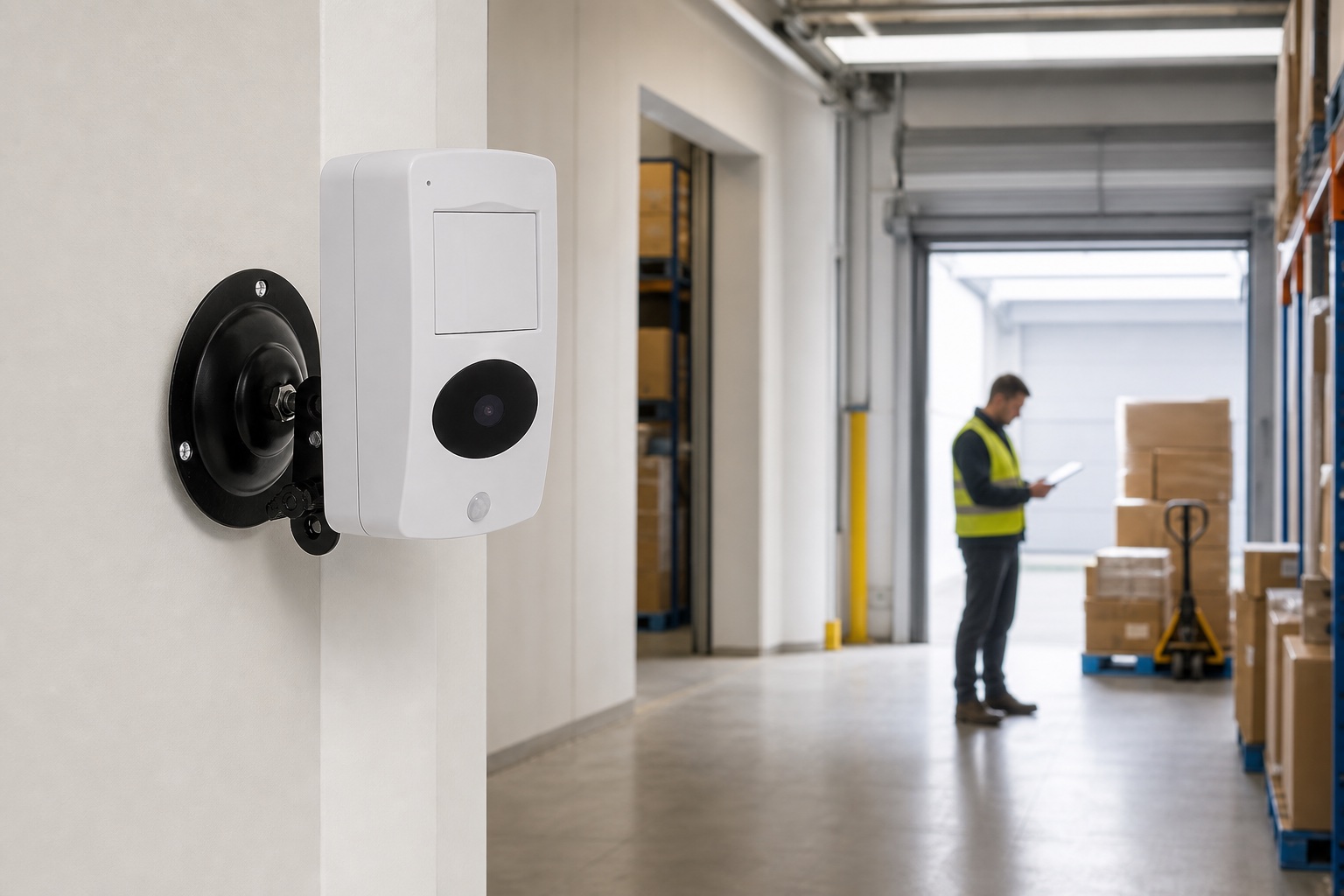
A PIR camera should be sample-tested in the actual activity pattern and permitted installation environment.
4. When a fixed-power WiFi camera may be more practical
A fixed-power WiFi camera may be a better operational fit when the project already has safe electrical access, cable routing has been approved, and the customer wants a regular monitoring schedule without a battery-maintenance cycle. This is a deployment category, not a feature claim about LS020 or LS011.
Buyers should define what "wired" means in the target project: fixed power only, wired network plus power, or a WiFi camera that remains connected to a permanent power source. Each option changes installer work, network reliability, storage planning and the end customer's service expectations. A qualified installer should assess electrical safety, site permissions and local regulations before any installation.
5. Use a sample matrix before a bulk decision
The most useful B2B comparison is a controlled sample evaluation. Ask the distributor, installer or private-label team to rate each option against the same project brief:
- Available power and permitted cable route
- WiFi coverage, 2.4 GHz compatibility and live-view expectations
- Expected activity level, PIR behavior and alert workflow
- Physical access for authorized maintenance, charging or service
- Storage, app, documentation and local-language support needs
- Privacy, signage, data-handling and local compliance requirements
For sample preparation, packaging, logo or documentation discussions, Eleshine can support a practical B2B OEM/ODM cooperation process. The goal is to match the product and service plan to the real channel, rather than forcing every buyer into the same power model.
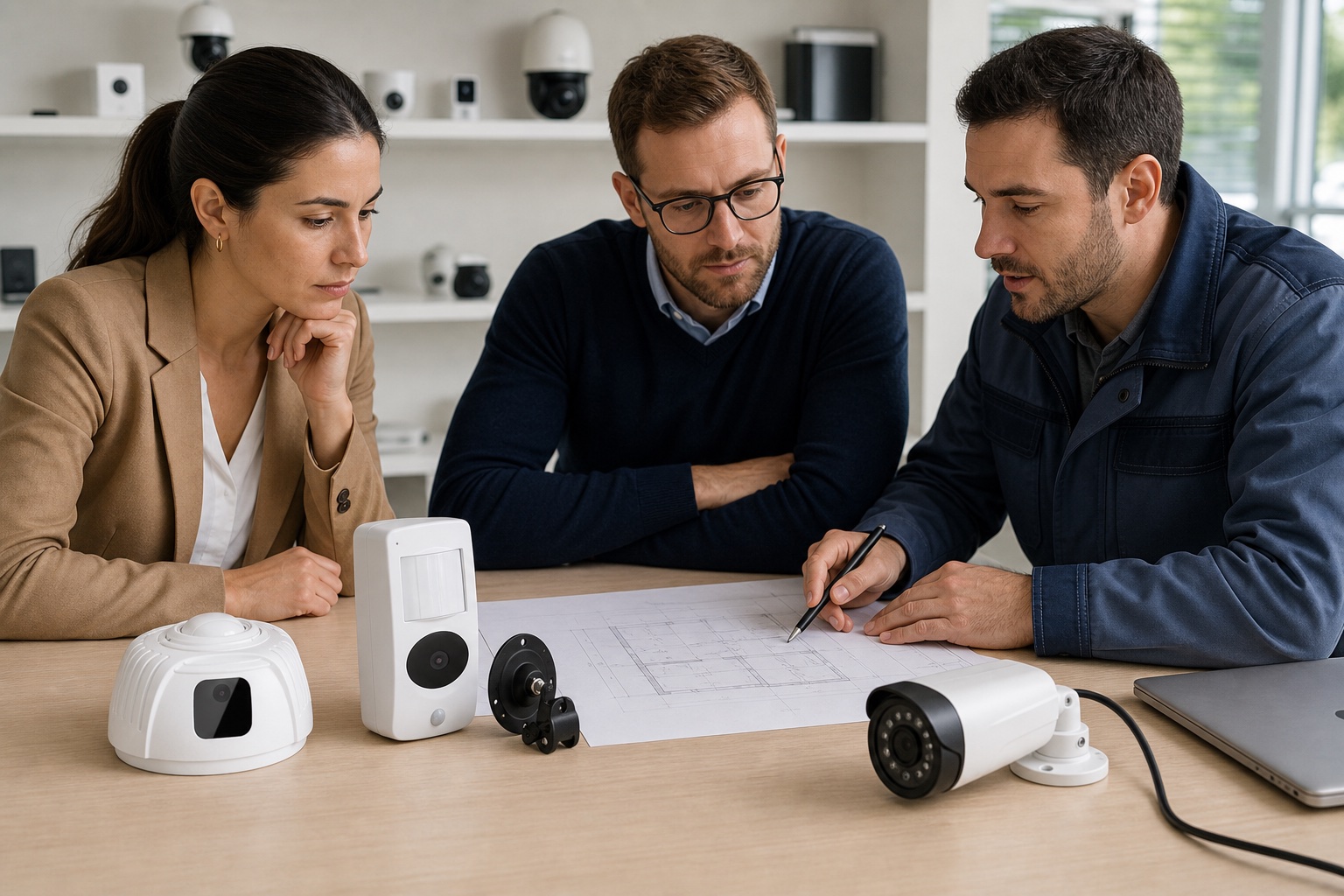
A sample matrix turns a broad power-source debate into a channel-specific deployment decision.
6. Evaluate the supplier's documentation and after-sales readiness
Battery or fixed-power selection is only one part of an order. Buyers should request the relevant manual, packing list, latest app information, product images, sample process, configuration confirmation and a clear point of contact. For a more complete sourcing review, read how to safely source security products from a new China supplier.
When you are ready to compare an LS020 or LS011 sample with your target deployment, contact Eleshine with the target market, project type, expected installation environment, order quantity and any private-label or documentation requirements.
FAQ: Battery vs Wired WiFi Camera for B2B Projects
Is a battery WiFi camera always easier to install?
Not always. It can reduce cable-routing work, but the buyer still needs an approved mounting position, stable WiFi coverage, an access plan and a realistic battery-maintenance process.
Are LS020 and LS011 wired WiFi cameras?
No. The supplied manuals describe them as long-standby battery WiFi cameras. This guide uses a fixed-power WiFi camera only as a general deployment comparison category.
How should a buyer validate a standby-time claim?
Test the sample in a representative, authorized environment. Recording frequency, PIR activity, WiFi behavior, temperature, app settings and battery configuration can affect actual results.
Can LS011 be installed outdoors?
Do not assume that. The supplied manual does not provide a waterproof or IP-rated claim. Keep proposed placement within the environment confirmed by the latest product documentation and project specification.
What should a private-label buyer prepare before contacting a supplier?
Share the target market, installation scenario, expected quantity, desired power approach, app and language requirements, packaging needs and the documentation required for local sales.
RF Detector vs Lens Finder vs Magnetic GPS Detector: A B2B Buyer Checklist
How to Evaluate a Hidden Camera Detector for Hotels, Offices and Executive Travel Security