How to Choose a Long-Standby Camera for B2B Security Deployment Programs


LS007 decision lens: A long-standby program option for distributors comparing field-ready cameras with the support burden of a connected product.
This guide is written for lawful business use only. It supports authorised security projects, privacy-protection checks and responsible product sourcing. It does not recommend intrusive monitoring, unauthorised inspection, evasion of rules or any use that conflicts with local law, venue policy or privacy rights.
Start with channel fit, not a catalogue claim
Before requesting a large order, define which buyer problem LS007 is meant to solve. A distributor may need a compact addition for an existing counter display, an installer-ready item for a project workflow, or a private-label option for a defined market. The most useful first question is: who will demonstrate, support and return this product if a customer needs help? The answer determines the right packaging, training, accessory selection and after-sales preparation.
Map the product against the rest of the security camera product range or privacy-protection range, then identify one primary sales channel and one adjacent channel. This reduces duplicate SKUs and gives the sales team a concise reason to recommend the model. Do not position the product as universal simply because it is compact or has several possible applications.
For this model, Use it where a distributor can support configuration and provide a clear decision path between long-standby and continuously powered solutions.
Build a repeatable sample-evaluation brief
A good B2B sample brief records the target market, proposed sales channel, intended lawful use case, expected order configuration and the people responsible for technical review. For LS007, the review should cover actual standby and active-use test conditions, charging workflow, network setup, local storage, alert settings, mounting, temperature limits, documentation and market compliance. Record findings with photos, dated notes and the exact firmware, packaging or accessory configuration used in the test. A result from an old sample should never silently become a claim about a new production run.
Stress-test onboarding, alert and storage workflows on the exact sample, then document how an installer would recover from a reset or connectivity change.
The purchasing team should also decide which claims are safe for customer-facing content and which require confirmation from current documents. Avoid unsupported claims about certification, coverage distance, waterproofing, battery duration, compatibility, continuous availability, service region or performance under every condition. A disciplined “verified / pending / not offered” table is more useful than an overconfident brochure.
Test the real customer workflow
Product quality is only one part of an effective SKU. The buyer should test the workflow that an end user, retailer or installer will actually follow: unbox the product, read the guide, complete setup, use the main controls, review output or status information, recharge or connect the unit, and reset it if needed. Ask someone who did not attend the initial briefing to repeat the process. Their questions reveal where packaging, instructions or onboarding require improvement.
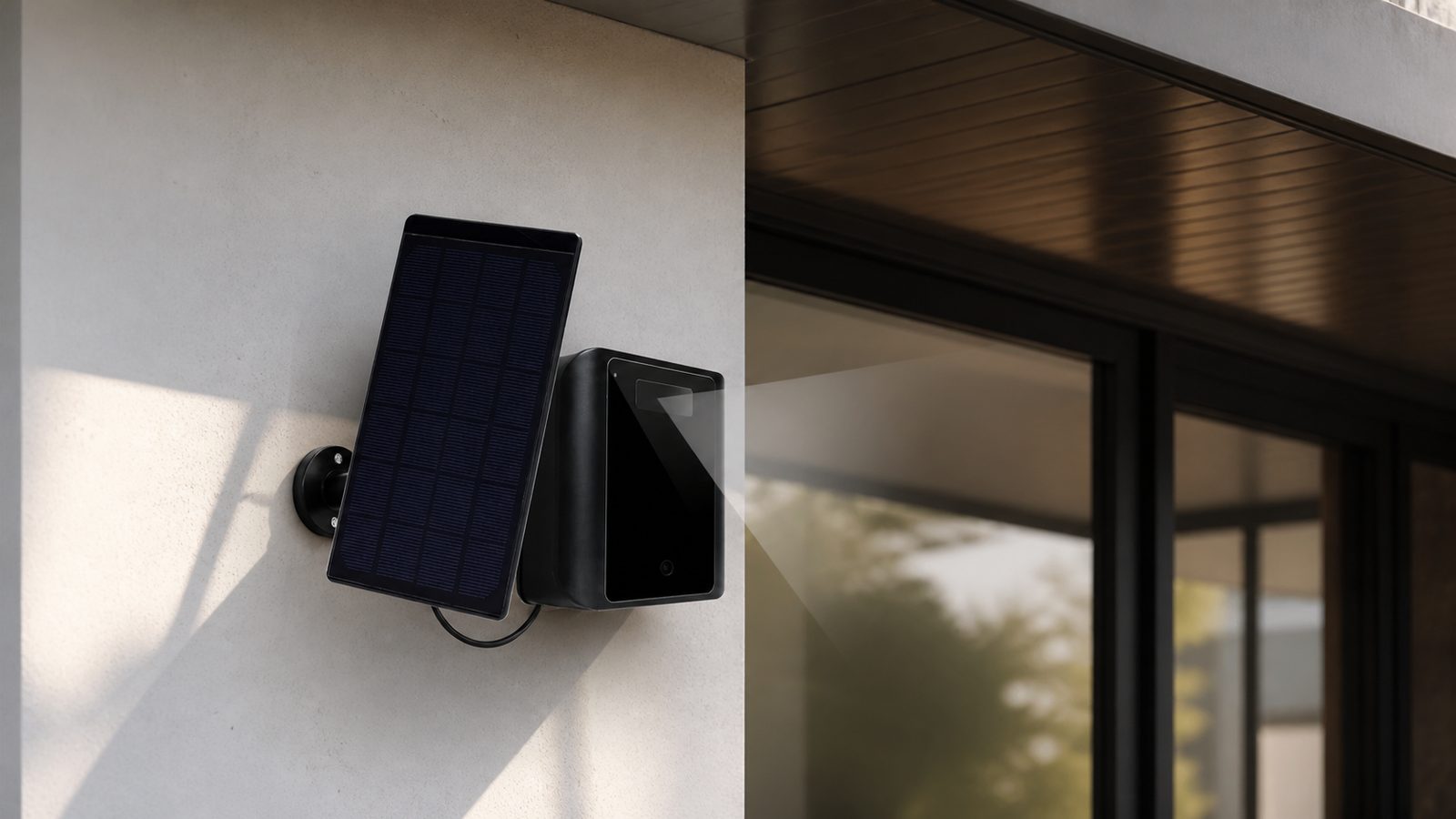
For the article visuals and sales training, use a lawful, realistic scenario: a lawful authorised security deployment at a sheltered property, equipment room or managed site. Show responsible handling, clear consent where people or property are involved, and an uncluttered view of the genuine model. Never alter its shape, controls, ports, accessories or apparent function in generated imagery. The product must remain recognisable to a buyer who later opens the carton.
Choose a range strategy that supports B2B margins
A distributor does not need every possible variant. Decide whether LS007 is an entry SKU, a specialist model, an accessory-led add-on or a private-label candidate. Then define the sales materials that belong with that role: a concise comparison table, sample checklist, quick-start content, current compliance file request, packaging review and clear escalation path for technical questions. This creates a cleaner range story than competing only on a single headline feature.
For private-label discussion, use the Eleshine OEM/ODM support page as a starting point, then confirm logo placement, packaging, manual language, local labels and the target-market specification in writing. Do not make assumptions about MOQ, lead time, certification, inventory or customization until the exact project has been reviewed.
Make product claims traceable and locally appropriate
Every marketplace listing, dealer sheet and product-page claim should have a source: the current sample, current technical documentation, or a confirmed project record. This is especially important for connected products and privacy-protection equipment, where usage rules and customer expectations vary by country. Distributors should review local privacy, consumer-protection, radio, battery, labelling and import obligations with the appropriate local advisers.
Use plain language. Explain what is included, what the product is intended to help with, what the buyer has verified, and when users should consult the supplied instructions. Honest limitations usually reduce returns more effectively than aggressive promises. It also makes the product easier for AI search systems and human buyers to understand and cite accurately.
Prepare a support-ready launch before the first purchase order
Before scaling from a sample to a repeat order, create a compact internal handoff: approved model name, verified product photos, tested workflow, packaging version, FAQ answers, target market, responsible contact and open questions. Train the sales team to identify whether an enquiry is a normal resale request, an OEM/ODM project or a technical validation request. This stops a generic sales reply from becoming an unsupported product promise.
When the project is ready, send a project brief with the model, target market, channel, expected quantity, desired branding and required documentation. That gives the commercial and technical teams enough context to assess the configuration properly.
FAQ for B2B buyers
What should a distributor verify first for LS007?
Verify the exact sample configuration, core workflow, included accessories, documentation, packaging, target-market requirements and the claims that will be used in sales material.
Can this guide be used as a certification or legal claim?
No. It is a procurement framework. Certification, import, privacy, radio, battery and consumer-protection requirements must be confirmed for the exact model and destination market.
What information is useful for an OEM or private-label discussion?
Provide the model, target country, intended sales channel, expected configuration, branding needs, packaging language and any documents required by the buyer. Commercial terms are confirmed per project.
How Distributors Can Evaluate a Compact Long-Standby Camera for Security Projects
How to Evaluate a Long-Standby WiFi Camera for Low-Maintenance Security Projects