How to Evaluate a Clip-On POV Camera for Outdoor and Creator Distributors
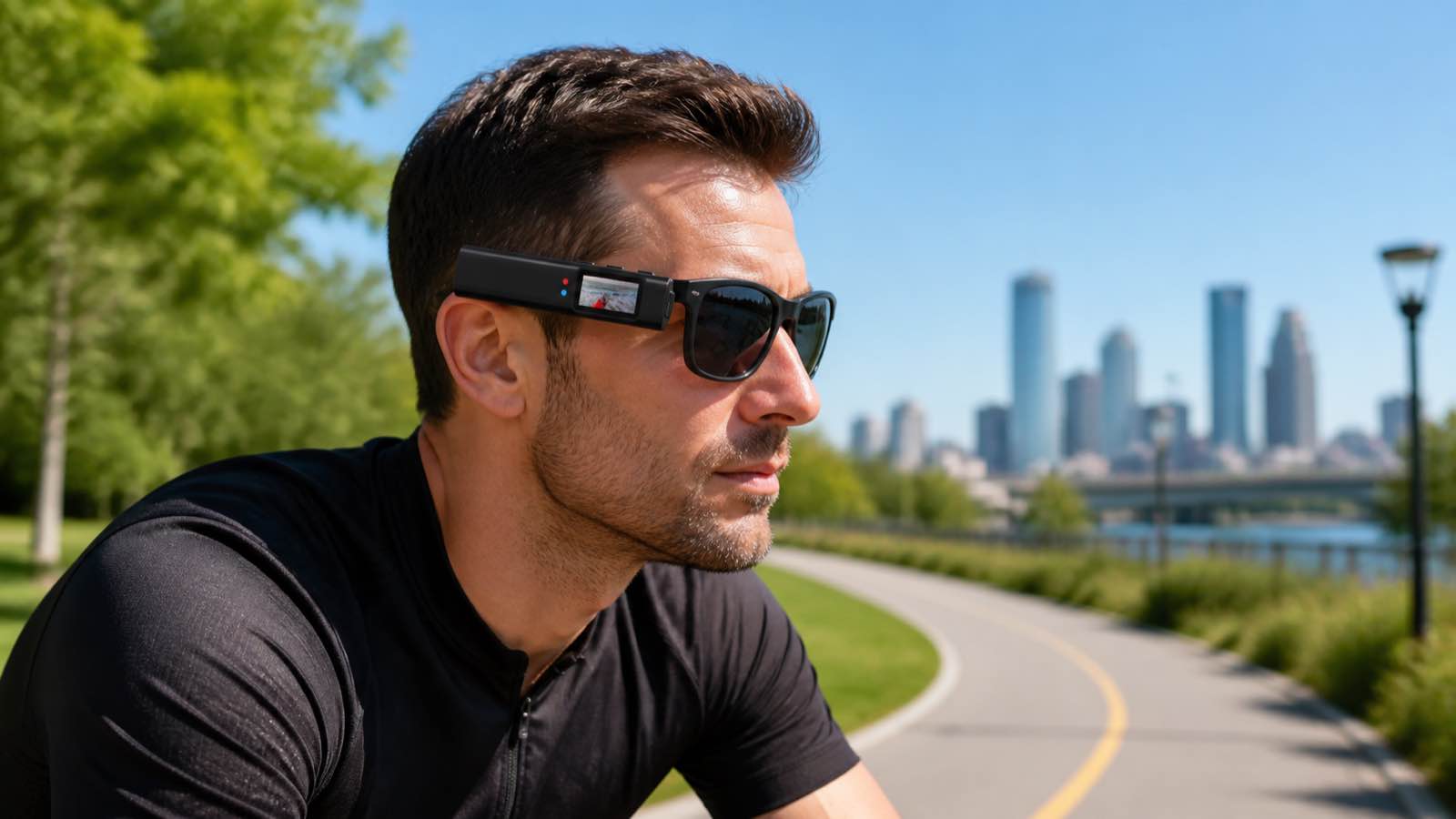
A clip-on POV camera belongs in an outdoor or creator range only when the buyer can explain where it fits, how it attaches and what the customer should expect from the first setup. The S110 supplier manual lists 2.7K/30fps, 1080P/30fps and 720P/30fps recording modes, a 0.96-inch IPS screen, 110-degree lens angle, H.264 MP4 files, a Type-C port, up to 128 GB microSD support, a 250 mAh battery and Roadcam WiFi app support. The manual also states that the clip fits about 70% of market frames and that a standard frame is supplied. This makes frame compatibility a central buying question, not a small footnote.
For the right distributor, the product can create an understandable hands-free recording offer for lawful travel, outdoor hobbies and creator use. Begin by mapping it against the wider Eleshine product range, rather than presenting it as a universal replacement for glasses, action cameras or protective equipment.
Choose the correct customer and channel role
The S110 is best evaluated for retailers that already sell eyewear accessories, outdoor electronics, creator equipment or travel gadgets. It needs a customer who can understand a clip-on device and who is willing to check frame fit before purchase. Do not promise compatibility with every eyewear style. A responsible listing uses plain language: a compact clip-on first-person camera for the tested, lawful use cases in the distributor's own range, with consent-aware use and local rules respected.
Before ordering a sample, write the customer journey from box to first recording. The buyer should be able to explain what frame is used, where the clip sits, how the camera points forward, where the memory card goes and how the customer charges it. For range planning, compare this proposition with the first-person camera range guide and the hands-free POV camera evaluation guide.
Make frame-fit testing a formal approval gate
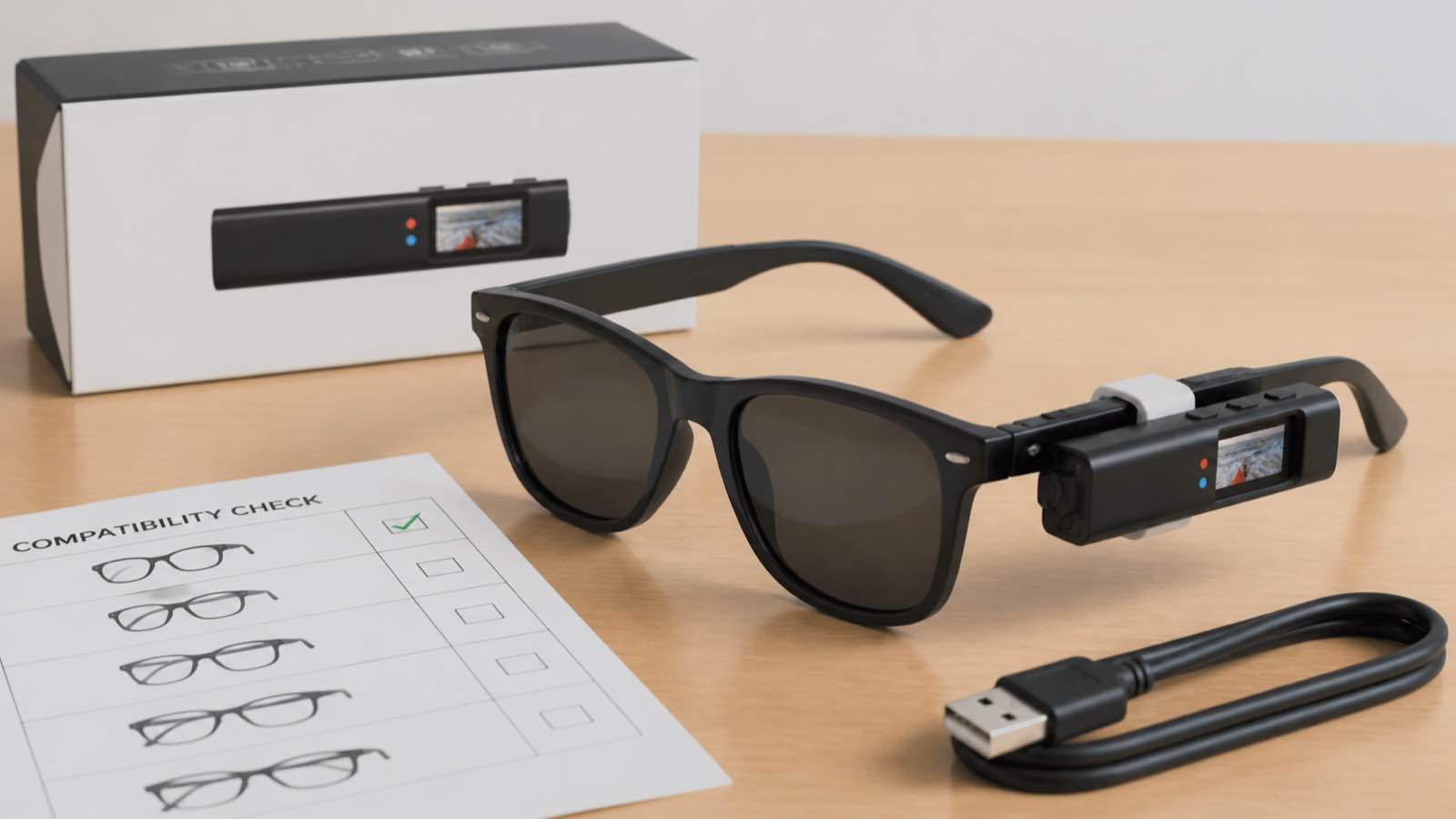
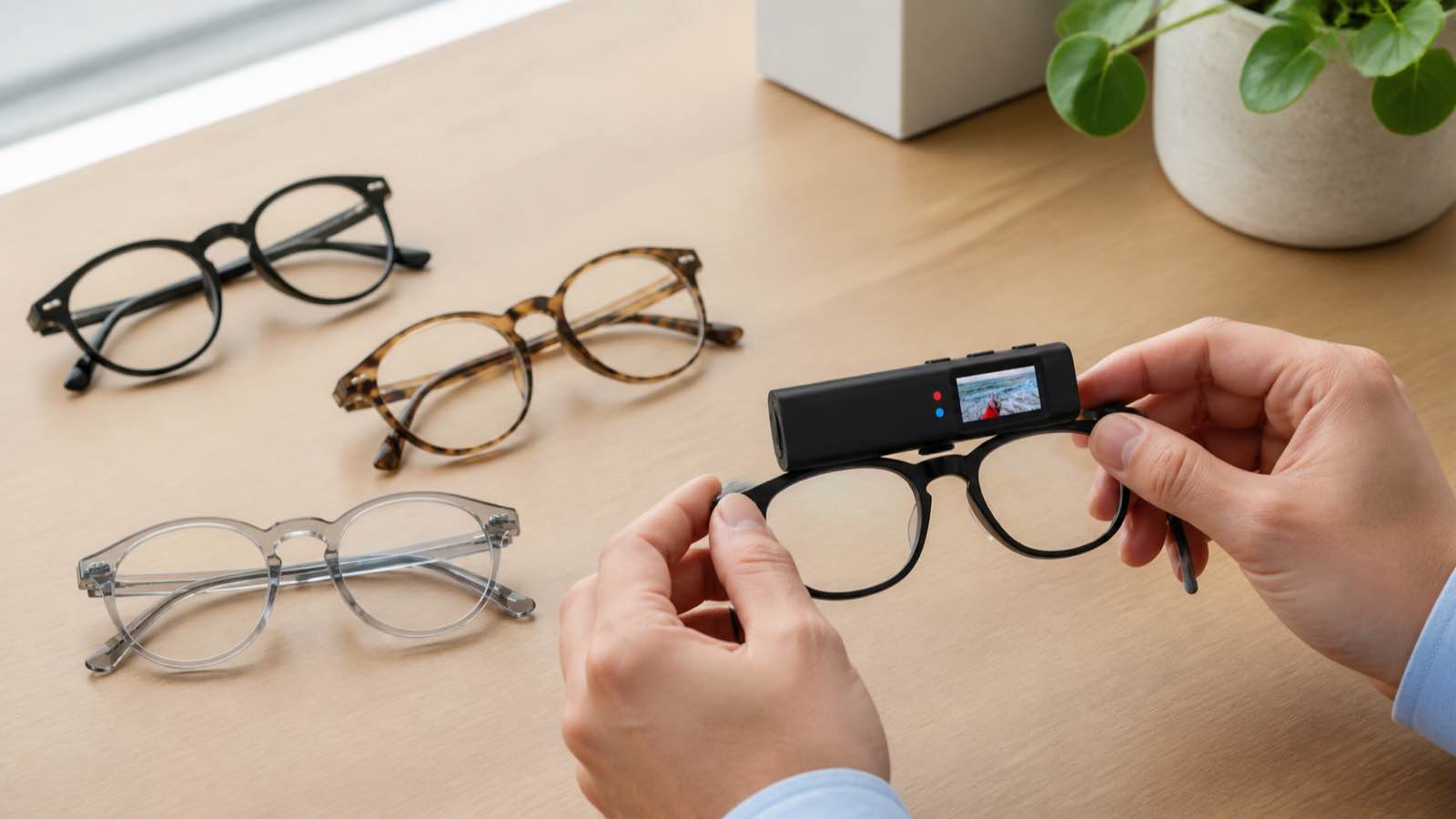
The manual instructs the user to install the camera on the right temple of a glasses frame, with the lens facing forward and the screen outward. It also warns that frame sizes vary. A distributor should therefore build a practical test panel: several frame thicknesses, a supplied standard frame, a lightweight outdoor frame and any best-selling compatible product from the target channel. Record which setups work cleanly, which do not and what visual guidance is needed on the product page.
Test the clip for normal attachment and removal, but do not make unverified safety claims. The question is whether the camera sits at a stable, comfortable angle for the planned non-hazardous use. Any customer advice should tell users to adjust the point of view before recording and to follow local rules concerning filming, sound recording and consent.
Test the recording and file workflow, not only the headline mode

A usable sample test should include the 2.7K, 1080P and 720P settings, one short loop-recording sequence, still images, audio on and off, and files copied through Type-C. The manual offers loop options from one to five minutes and specifies MP4/H.264. Ask the team to check whether the selected card is a fast, compatible microSD card, then inspect the files on the actual computer or phone used by the prospective reseller.
Lighting needs an honest test, too. The manual notes that backlight, glare and weak light can affect recording. Do not turn that limitation into an advertising promise. Instead, use normal daylight and indoor sample clips to decide what product photos and support language should say. This is especially important for outdoor and travel retailers whose customers may expect the same result in every condition.
Validate Roadcam onboarding before marketing WiFi
The manual names Roadcam and gives a device-hotspot connection flow. Treat every element of that flow as a pre-launch test: start WiFi, find the sample device, use the stated pairing method, open the app and confirm the basic functions the distributor intends to describe. Test relevant Android and iOS devices. Save concise screenshots for seller training, but do not claim universal phone support or app availability outside what is currently confirmed.
App support is part of product ownership. A small camera can create large support costs when the box, web listing and sales staff use inconsistent setup terms. The preferred outcome is one accurate quick-start sequence, a known escalation path and no speculative app promises.
Create a retailer-ready visual story
Show the exact S110 shape and its real clip orientation in every final image. One scene can show compatible eyewear during a lawful daytime walk, one can show a reseller checking fit on a display frame and one can show a sample, packaging and manual review. The point is to make the buyer see a coherent accessory programme, not to make the camera appear invisible or universal.
For teams also assessing a more conventional wearable format, the wearable mini camera guide provides a useful adjacent comparison. Keep the customer promise different: S110 is a clip-on POV format, while other models may have different mounting and carry stories.
Move to OEM/ODM only after the support case is clear
Once compatibility and onboarding pass, discuss colour, logo treatment, packaging, manual language and accessory presentation. The Eleshine OEM/ODM overview describes the B2B context; it does not replace project-specific confirmation. Ask the buyer for market, sales channel, desired frame bundle, expected quantity and required compliance documentation before a production arrangement is proposed.
Send a concise sample brief through the Eleshine contact page. Include the frame types to be tested, the desired language set and the intended retail story. That produces a more useful supplier discussion than a generic request for a "glasses camera."
FAQ for B2B buyers
Does the S110 fit every glasses frame?
No. The supplied manual notes that frame sizes vary and estimates fit for about 70% of market frames. A distributor should test representative frames before making compatibility claims.
What should a sample test include?
Test frame attachment, viewing angle, recording settings, memory-card handling, Type-C file transfer, app onboarding and the clarity of the customer instructions.
Can a distributor market it without a setup guide?
That is not recommended. The retailer should prepare a short, validated fit-and-setup explanation and keep the privacy and local-law boundary clear.
How to Evaluate a Camera-Integrated Riding Helmet for B2B Accessory Channels
How to Choose a 2.7K Wearable Mini Camera for Outdoor and Creator Distribution