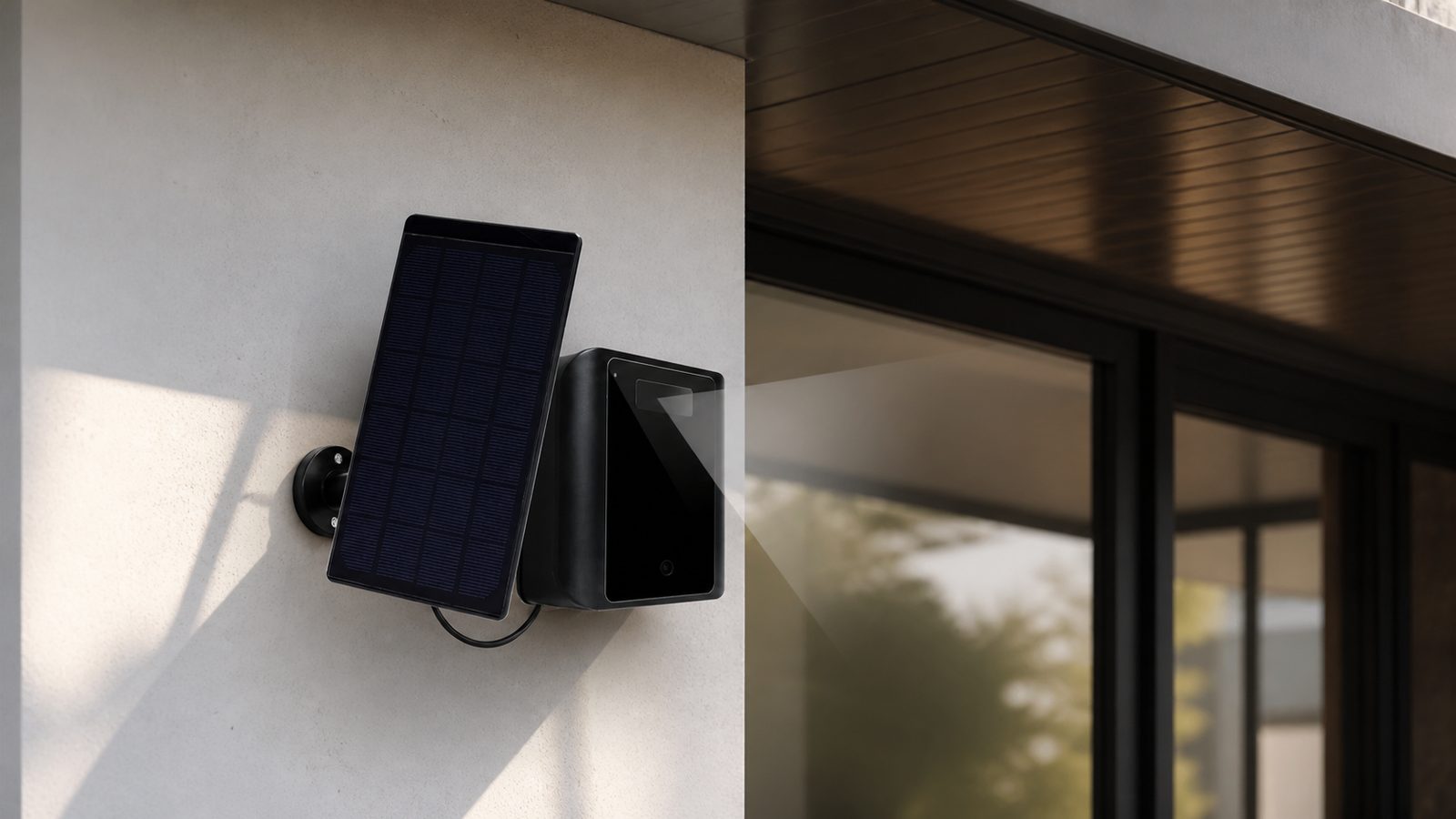
How to Select Keychain Mini Cameras for Gift and Travel Accessory Buyers
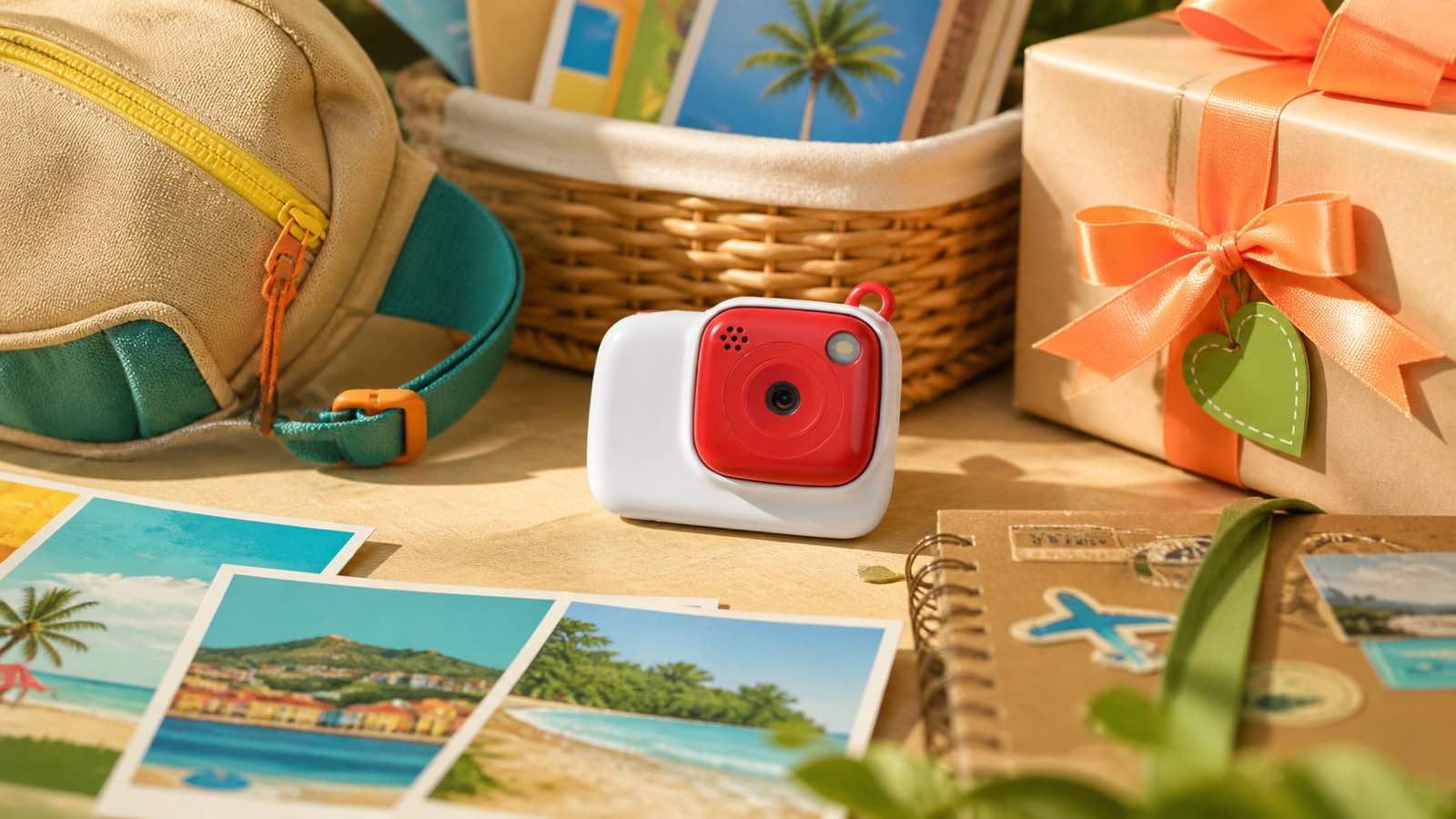
Start with the commercial job, not a feature list
For gift, travel-accessory and novelty-electronics buyers, the first question is not simply whether a compact camera looks appealing. The practical question is whether the product can function as an understandable portable gift accessory rather than being treated as a reduced-size technical camera. That is the reason to begin with the intended channel, customer profile and retail moment before comparing a specification sheet. The S167 keychain mini camera should be evaluated as one possible part of a keychain and travel-accessory mini-camera range, with the final product configuration, documentation and market requirements confirmed before any public claim is made.
A disciplined buyer writes a one-sentence channel brief before requesting a sample: who will sell it, where will it appear, what activity or gifting moment will the customer recognize, and what should the sales team be able to demonstrate in under two minutes? This protects the range from becoming a collection of near-identical gadgets. It also gives a distributor a clear basis for comparing the product against other options in the Eleshine product range.
Translate the product concept into a sample test
A good sample review follows the customer journey rather than a sales brochure. Begin with unboxing and first use. Check whether the exterior, included components and basic instructions make the proposed product role obvious. Next, have a person outside the purchasing team perform the same short workflow an end customer would: pick up the product, set it up for its intended lawful use, operate it, recharge it, carry it and put it away. Any uncertainty at this stage becomes a future support question for the distributor.
For S167, the review should include keyring or bag fit, weight and carry appeal, first-use operation, charging, packaging clarity, product card wording and the visual counter-display effect. Record the result in a simple pass/fail sheet with photographs of the approved sample and accessory arrangement. Do not turn an unconfirmed observation into a public promise. Battery duration, weather suitability, app functions, radio behavior, compatibility, recording performance, certification and retail-country legality must all be confirmed from the final product documentation and order configuration.
This is also the point to decide whether the product needs a different accessory mix, clearer packaging pictures, a translated quick-start card or a more focused sales explanation. Buyers who perform this work during sampling have a much stronger launch position than buyers who add it after a first shipment.
Create a product story that a sales channel can repeat
The right public message for this category is a portable lifestyle camera accessory designed for travel moments, gifting and everyday creative use. Keep that message concise and visual. A retail listing should show the real product, the real mounting or carry context, and the normal workflow a lawful customer can understand. Avoid crowding the page with loosely related claims or speculative technical language. For product teams building several outdoor or lifestyle camera options, the film-style mini camera guide and the pendant-style mini camera guide are useful adjacent references when defining different price points and customer roles.
Merchandising should also match the channel. A specialist outdoor shop may need a demonstration sample and an accessory board. A travel retailer may need compact packaging and a simple shelf message. A gift buyer may need a visual story, presentation-ready box and a short explanation that works without technical staff. Treat these as different programs even when the underlying category overlaps. This avoids competing pages, confused search intent and an assortment that feels repetitive.
Decide what must be confirmed before a repeat order
Once the sample passes the product and channel review, move into the private-label and supply conversation. A useful project brief identifies the country or region, sales channel, intended product story, required language, packaging direction, expected order volume and accessory preference. It should also list any questions that require engineering or compliance confirmation. This is more productive than a vague request for the lowest price because it gives the supplier the context needed to assess the real project.
Eleshine has supported B2B OEM/ODM buyers since 2009. Review the company's B2B OEM/ODM approach before discussing logo treatment, packaging artwork, manual language or category-specific accessory combinations. Then use the Eleshine contact page to submit a concise sample and launch brief. The team can then respond to the actual product and market requirements rather than an assumed configuration.
A practical B2B buyer checklist
Before approving the item for a range, confirm these points with the actual sample and current documents:
- The channel, end-customer use case and lawful product story are defined in one sentence.
- The product and accessories have been handled by someone other than the buyer who requested the sample.
- The first-use, charging, storage and carry workflow is understandable without unsupported assumptions.
- Retail packaging, product photos, instructions and customer-service wording match the intended market.
- Every technical, regulatory and commercial claim planned for publication has an approved source.
- Logo, artwork, manual language, accessories and order expectations are documented before final commercial confirmation.
This checklist is deliberately practical. It helps a buyer identify the difference between a product that photographs well and a product that can be demonstrated, sold and reordered with confidence. It also creates better feedback for the sample stage and protects the consistency of the product range over time.
FAQ
What should a B2B buyer test first?
Start with the customer workflow: product presentation, physical handling, setup, controls, charging, carrying and the clarity of the retail explanation. Then verify every technical and market-facing claim against current approved documentation.
How can distributors avoid overlapping camera SKUs?
Give each model one clear channel role, use case and visual story. Compare it with adjacent Buyer Guides and product pages before building a bundle, so similar products do not compete for the same customer or search intent.
What information makes an OEM/ODM inquiry more useful?
Provide the target market, channel, product role, desired packaging and manual language, accessory needs, estimated volume and any confirmed compliance or technical requirements. This lets the project be evaluated on real requirements rather than assumptions.
Next step
Use the checklist during a real sample review, keep the approved product role specific to the channel, and submit the resulting brief through Eleshine. That process gives distributors and private-label teams a sound basis for selecting S167 keychain mini camera or choosing a more suitable adjacent model.
How to Choose a 2.7K Wearable Mini Camera for Outdoor and Creator Distribution
How to Source Film-Style Mini Cameras for Gift and Travel Retail Programs