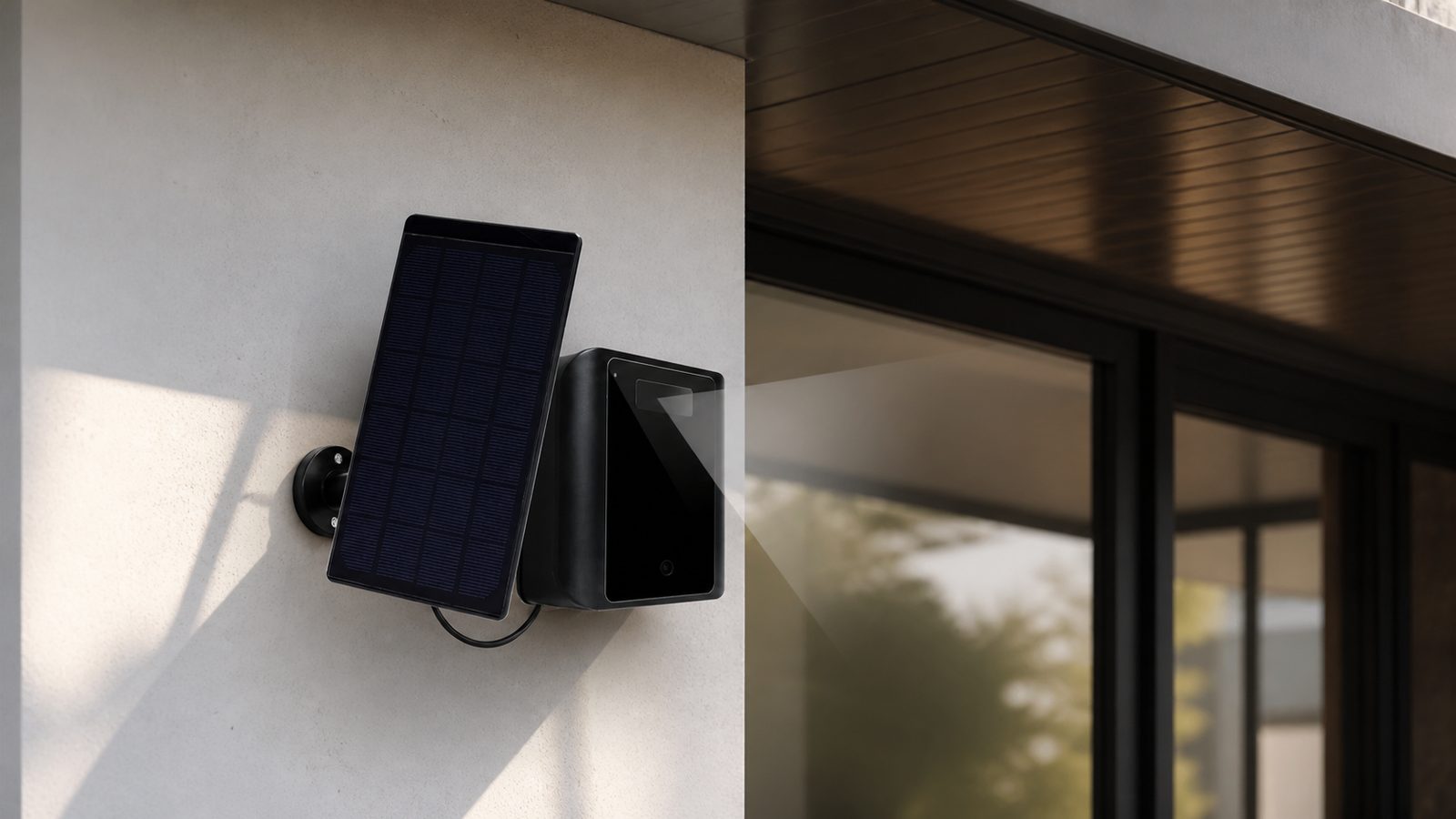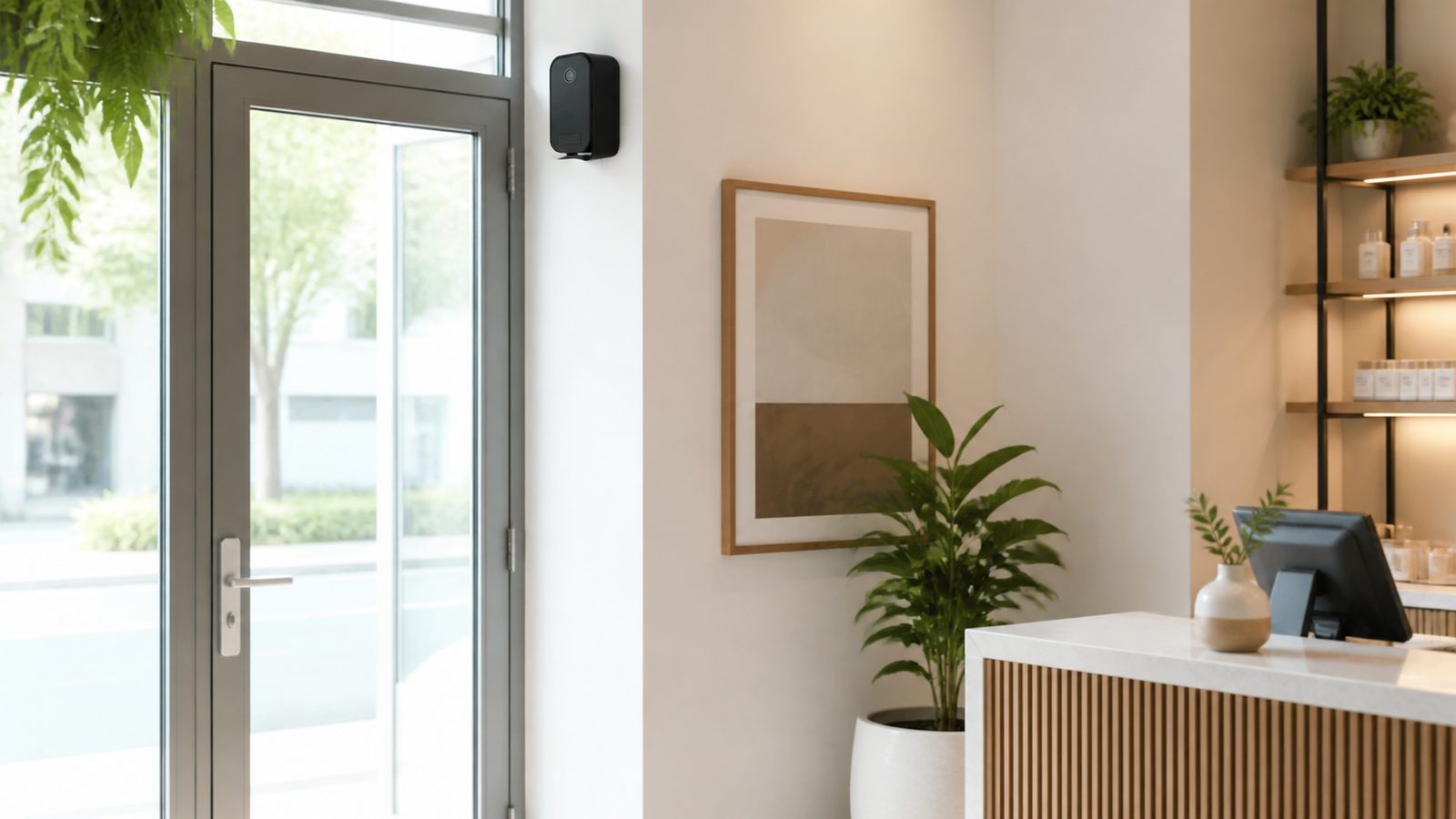
How to Choose a Tuya Wall Light Camera for B2B Smart Security Projects
A wall light camera can make sense for B2B smart-security projects when a buyer wants practical illumination and video coverage in one indoor or fully sheltered installation. The right question is not simply whether a device looks like a lamp. Buyers need to confirm where it will be installed, what network it will join, how users will access footage, and whether the final deployment complies with local privacy and notice requirements.
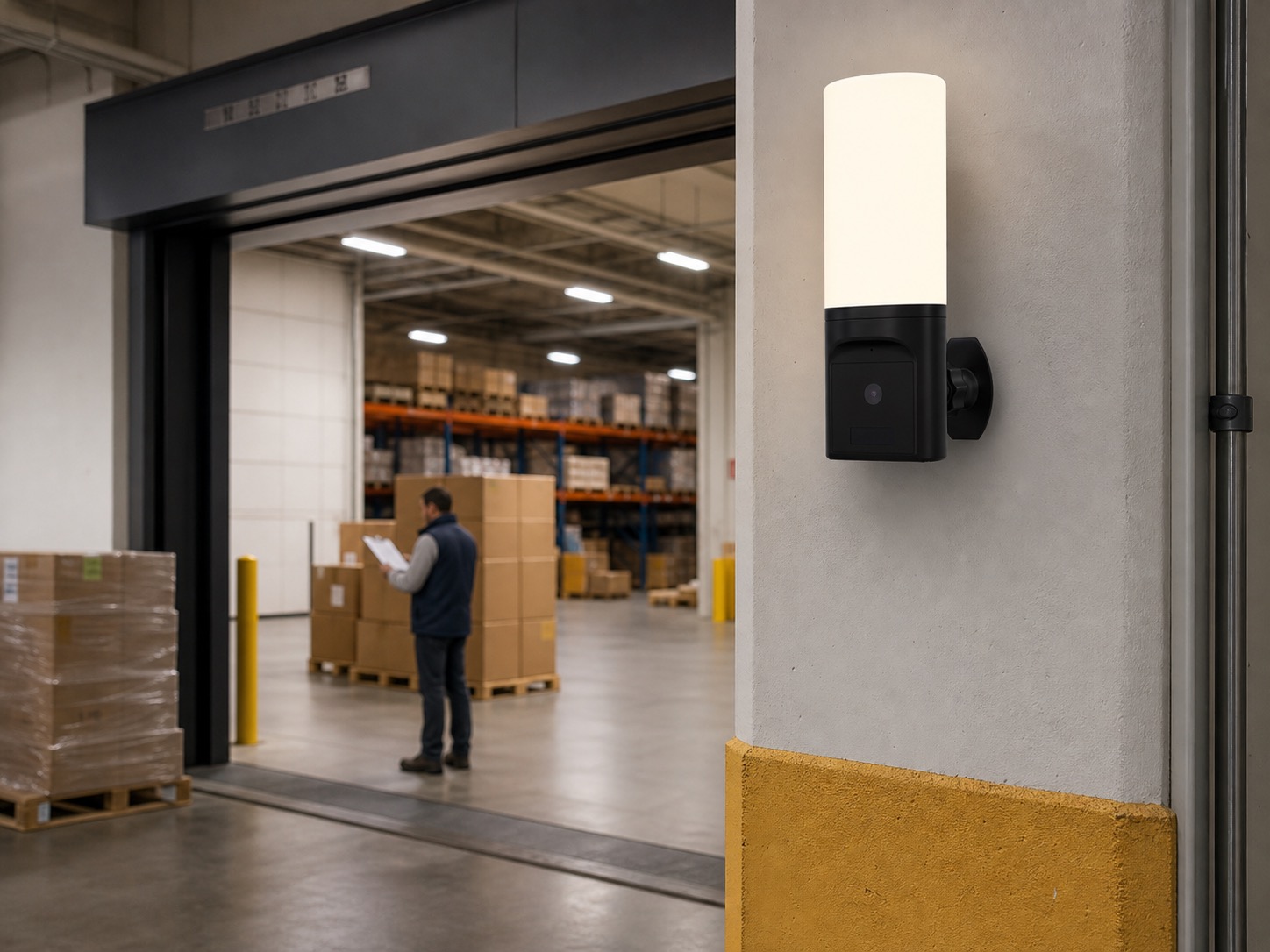
This guide uses the EL-TY017 Tuya wall lamp WiFi camera as a reference for the buying process. It is designed for protected-use scenarios such as interior entrances, covered vestibules, shops, offices and warehouse receiving areas. It is not marketed here for exposed outdoor walls or rainy locations. For a broader comparison of connected camera styles, review Eleshine's Tuya Wi-Fi security camera range.
1. Start with the installation environment, not the product photo
For this format, the first approval gate is physical placement. Specify an indoor wall or a location well inside a deep, fully covered eave, then check the mounting surface, available 5V power, viewing direction, light sensor behavior and access for charging or service. A lamp-camera design should support a real lighting requirement; it should not be used to conceal recording where users reasonably expect privacy.
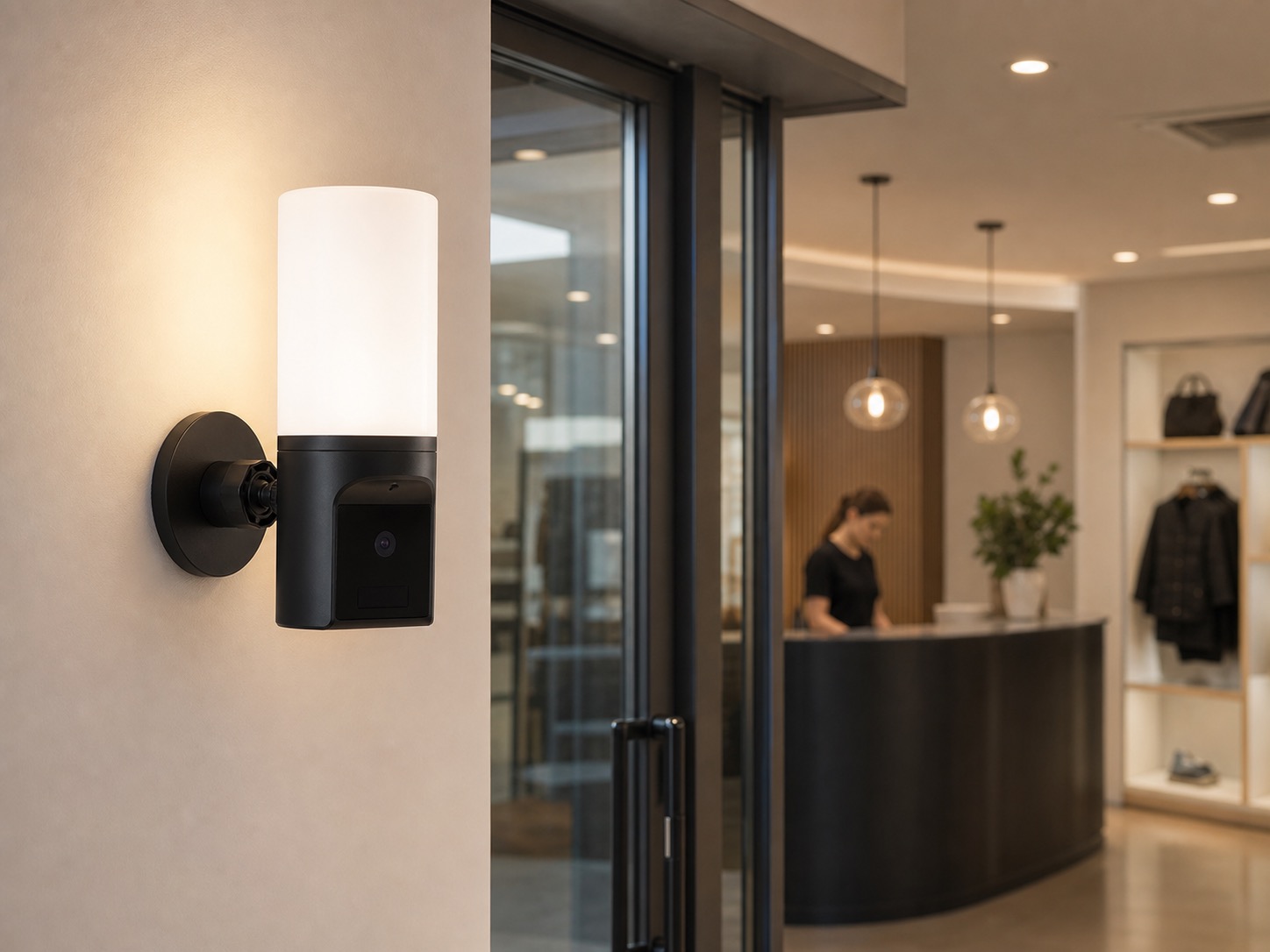
EL-TY017 combines a wall-lamp form with a camera and PIR-triggered lighting behavior. Its manual states that the light can turn on for about one minute when motion is detected and turn off after motion stops. For a reseller or installer, this makes a protected entrance, reception or indoor work area a more relevant scenario than an exposed perimeter wall.
2. Confirm the connected-camera workflow before purchasing
A buyer should test the entire workflow with a sample: device activation, router onboarding, mobile access, notification behavior, live-view stability and local playback. The reference manual lists 2.4GHz Wi-Fi compatibility and Android/iOS mobile operation. It also lists a microSD slot with support up to 128GB for specified compatible cards. These are useful starting points, but buyers should always test the exact target router, app version, card specification and local network policy before a rollout.
Do not treat an app name as a substitute for a test plan. Ask the supplier to confirm the current supported app, language requirements, account-sharing workflow, time settings, retention expectations and firmware support for the ordered production version. If a project uses several connected devices, compare this model with the wider Eleshine security product portfolio instead of forcing one form factor into every scenario.
3. Evaluate the practical specification set
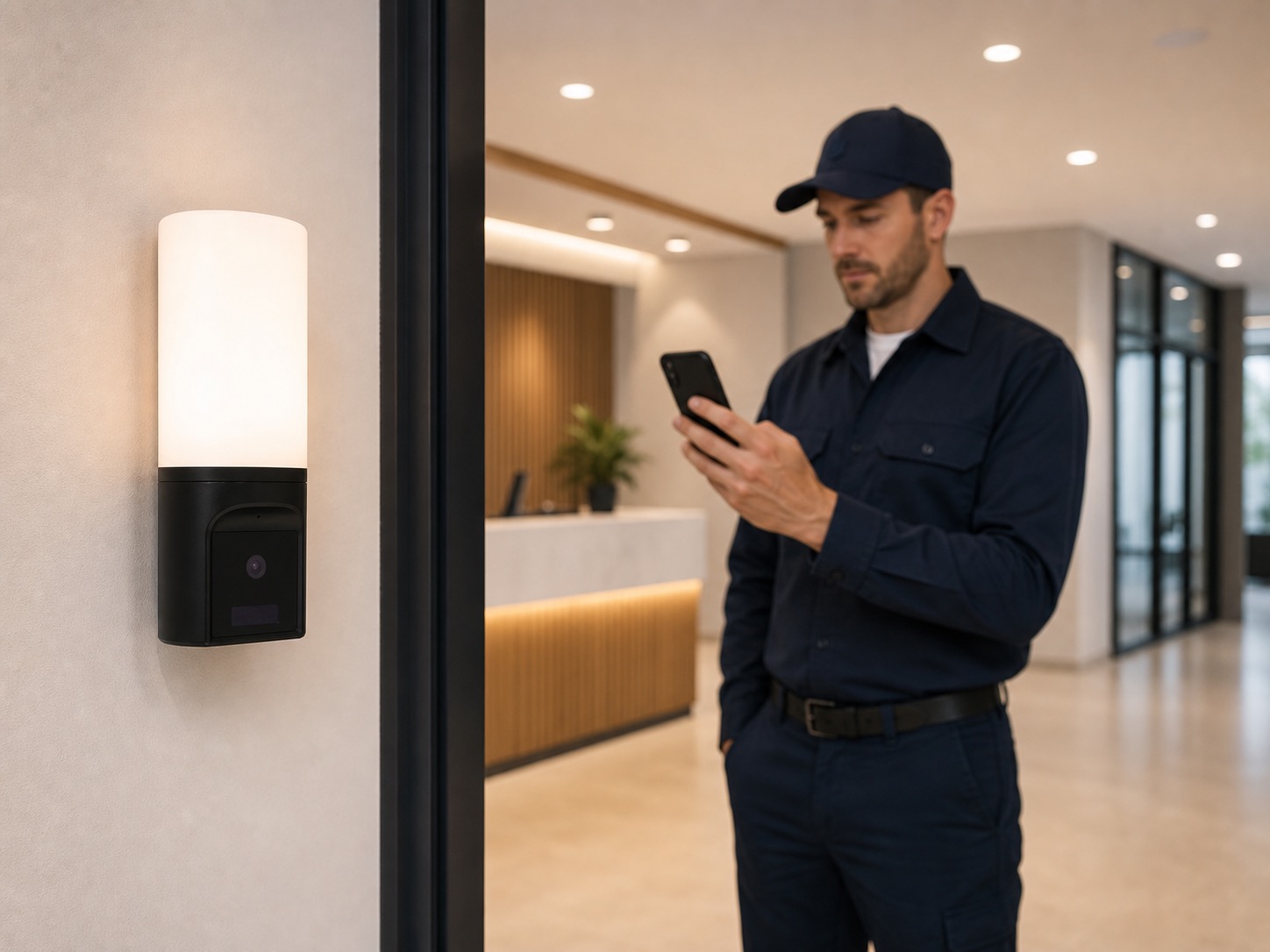
For the TY017 reference model, the manual lists 1920 x 1080 video, H.264 compression, a 145-degree viewing angle, maximum 25 fps, two-way talking, 5V/2A power input and a 2500mAh battery. It also lists approximately four to eight hours of battery life depending on use and around six hours of charging. These figures should guide sample evaluation, not replace it: lamp operation, night vision, talk function, motion activity and Wi-Fi conditions can all change actual runtime.
In a B2B quote request, turn the list into acceptance checks: sample video in the target light level, PIR/lamp response, night-view quality, memory-card playback, reset/re-pairing steps, app connection, charging time and the bracket position. Buyers that need a different power strategy can also review long-standby battery WiFi camera options before choosing a lamp-style unit.
4. Match the product to a legitimate use case
A wall light camera is most coherent when the light and camera both support the operational purpose. Typical authorized applications include an indoor retail entrance, office reception, home entry area with appropriate notice, or a covered warehouse receiving point. Deployment teams should set clear data-access roles, minimize the field of view to the protected area, use visible notice where required and assess consent, audio and data-retention rules in the destination market.
5. Prepare the B2B sample and OEM/ODM conversation
For wholesalers, private-label brands and project buyers, the sample stage is where avoidable returns are prevented. Provide the intended installation setting, target country, router condition, expected order quantity, brand artwork, packaging language and manual requirements. Eleshine can then help align the relevant product category, sample evaluation and OEM/ODM discussion with the actual go-to-market plan. Read how Eleshine supports B2B security electronics buyers for a practical sample-to-order path.
Keep the first brief simple: where will the unit be installed, is the location fully protected from weather, what Wi-Fi environment is available, what recording/storage workflow is required, and what legal notice or consent obligations apply? This gives the supplier a usable basis for model selection rather than a generic request for a "smart camera." Additional procurement guidance is available in the Buyer Guide library.
Buyer checklist before ordering a Tuya wall light camera
- Confirm an indoor or fully sheltered installation. Do not use TY017 on an exposed wall or in rain.
- Test the target 2.4GHz Wi-Fi router and the current mobile-app workflow with a physical sample.
- Validate video, PIR/lamp response, night use, local storage, reset and charging in the actual environment.
- Confirm power access, bracket position, viewing direction and permitted camera coverage.
- Provide OEM logo, packaging, manual-language and target-market requirements before production approval.
- Review local privacy, audio, signage, consent and data-retention requirements with qualified local advisers.
FAQ
Is the TY017 wall light camera waterproof?
No weatherproof or rainproof rating is claimed in this guide. Select an indoor location or a position well inside a deep, fully covered eave, and verify the final installation environment before deployment.
What Wi-Fi environment should a buyer check?
The reference manual lists 2.4GHz Wi-Fi compatibility. Test the exact target router, password process, signal quality and mobile-app operation with a sample before ordering.
Can the camera store video locally?
The manual lists a microSD card slot and support up to 128GB for compatible specified cards. Confirm the card format, recording settings and playback workflow during sample testing.
Which projects are a better fit?
Indoor or fully covered entry areas where practical lighting and authorized video coverage are both needed, such as shops, offices, protected home entrances and warehouse receiving points.
How should an OEM/ODM buyer begin?
Share the protected installation setting, target market, router conditions, expected quantity, branding, packaging and manual requirements. Contact Eleshine with those details to begin a suitable sample discussion.
How to Evaluate a Hidden Camera Detector for Hotels, Offices and Executive Travel Security
How Eleshine Supports B2B Security Electronics Buyers: From Sample Evaluation to OEM/ODM Orders