How to Evaluate a Camera-Integrated Riding Helmet for B2B Accessory Channels

A camera-integrated riding helmet is a higher-responsibility SKU than a normal compact camera because a retailer may be tempted to blend recording features with safety claims. The correct B2B approach is to keep those decisions separate. The RAW2 materials confirm a 1080P recording specification, a 130-degree viewing angle, Type-C data and charging connection, optional microSD storage up to 128 GB, front light and rear warning-light functions. The files show differing battery-duration figures, so this guide deliberately does not promise a runtime. Buyers should validate the current production sample and any applicable testing, safety, certification and local legal requirements before placing public claims.
Position the product as a riding-accessory and personal-content workflow for lawful cycling, e-bike or motorcycle markets only where the distributor can support it. Review other applicable models in the Eleshine product range, but do not treat a catalogue description as proof that a helmet meets a particular protective standard.
Separate the protective product question from the camera question
The first procurement decision is not video resolution. It is whether the chosen helmet version, destination market and sales channel have the required safety, labelling, documentation and liability checks. A camera feature does not make a helmet certified, and a visible shell or impact-material description should never be turned into a certification claim without current evidence. Ask the supplier which documents are available for the exact production configuration, then have the importer or brand complete its own local compliance review.
Only after that review should a buyer evaluate the recording and light features. This separation creates cleaner product pages, safer sales training and fewer post-sale disputes. It also keeps the range focused on lawful rider documentation, travel content and accessory retail, rather than unsupported safety messaging.
Test the rider-facing controls under normal conditions
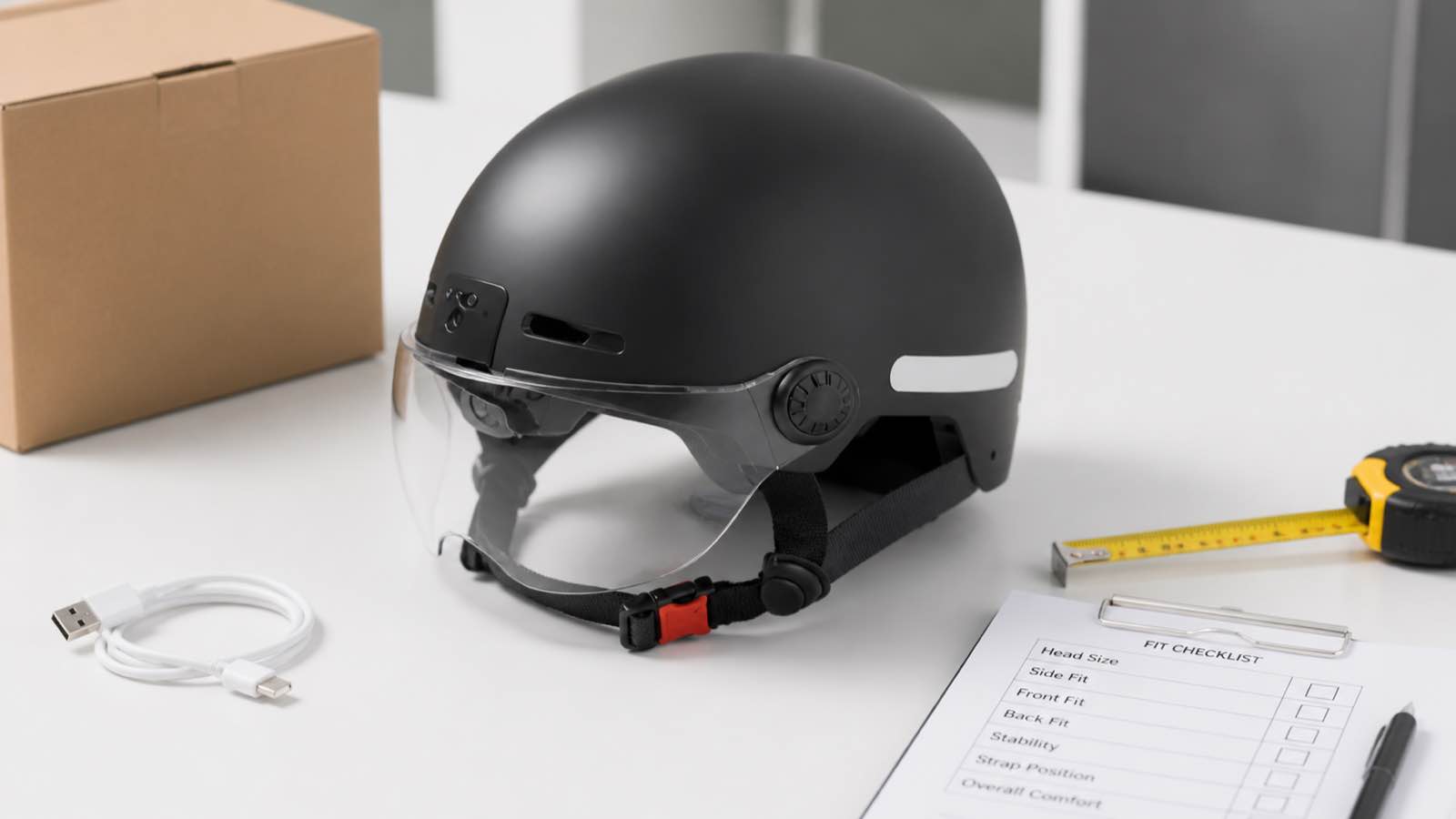
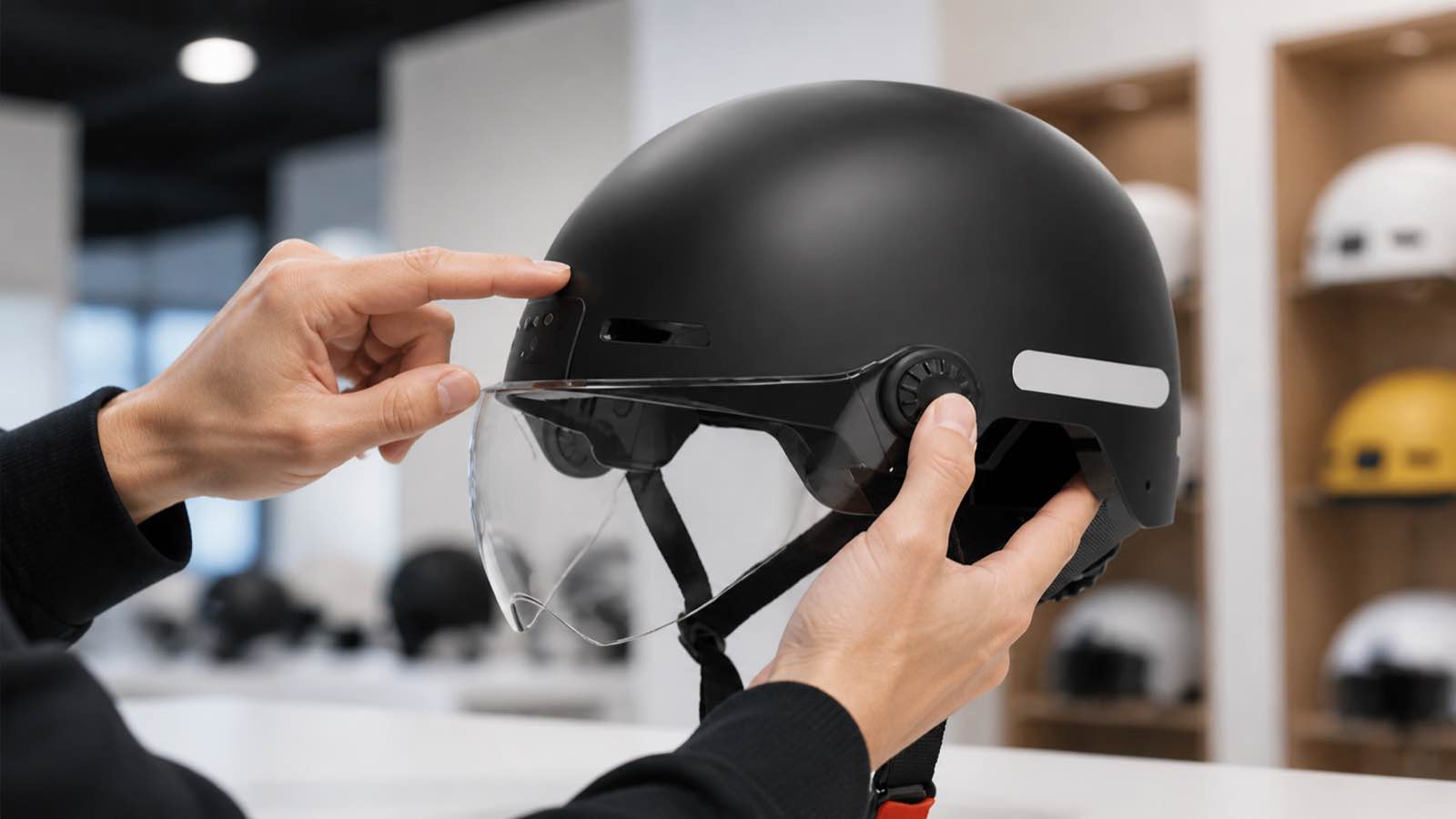
The RAW2 manual describes a camera control, photo function, front light, rear warning light, Type-C charging and file-reading workflow. During sample evaluation, have a product manager perform each action with the supplied instructions in a calm, stationary setting. Confirm that the control labels are understandable, the status lights can be explained, the card slot is accessible and the reset method is documented. Do not encourage operation of a device while riding; customer instructions should always prioritise safe, lawful use.
For the rear warning light, test the modes actually present on the sample and use only those confirmed modes in the sales material. The point is to make a retailer's product demonstration consistent with the delivered unit, not to turn an accessory light into a road-safety guarantee.
Build a disciplined recording sample test
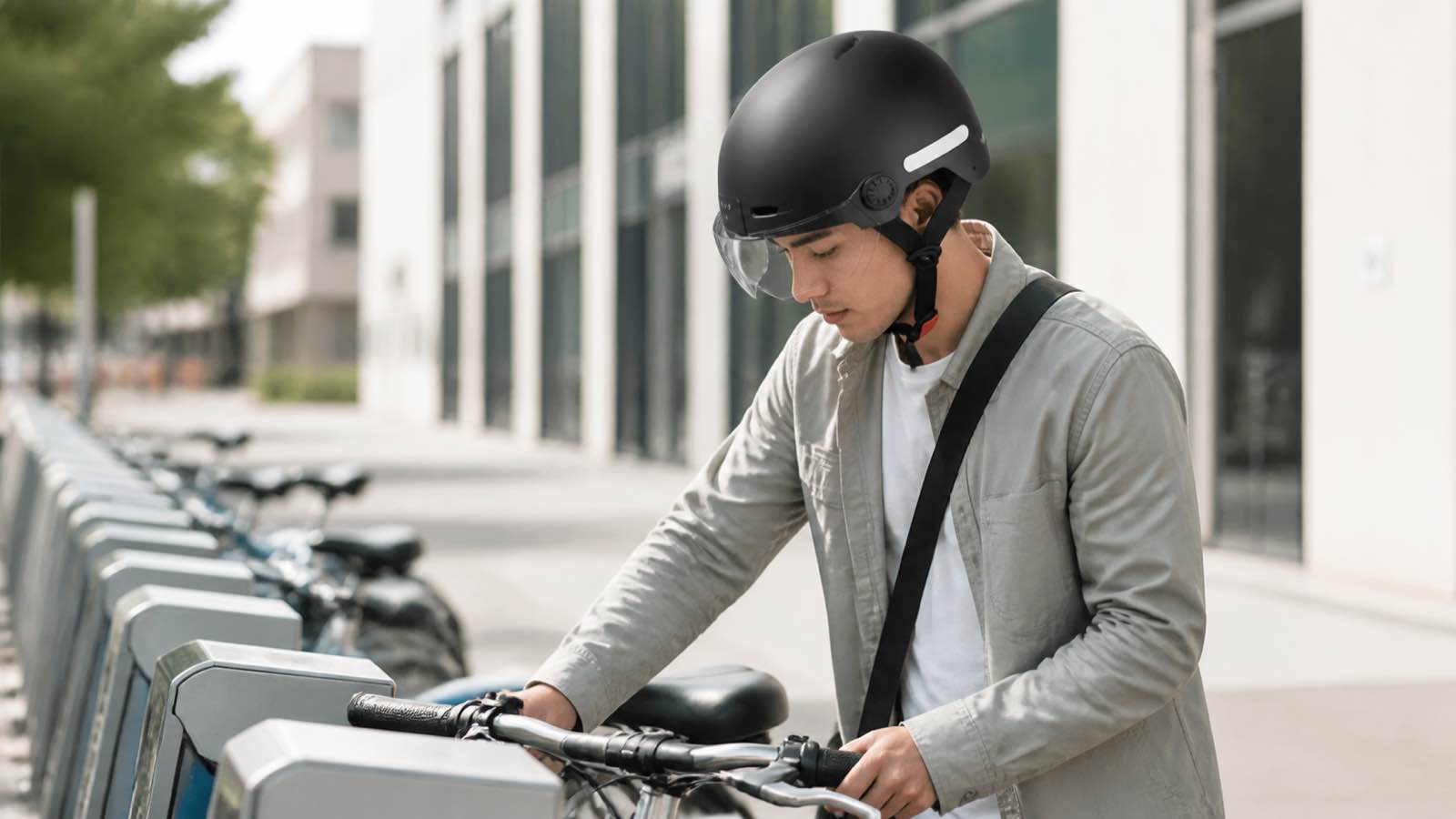
Record short 1080P clips in daylight, copy files using Type-C and confirm the actual microSD workflow up to the documented 128 GB maximum. Test one representative route only after the rider's own safety practices and local rules are observed. The buyer should inspect angle, wind noise, vibration, file naming, timestamp setup and the ease of finding the files later. If the sales team cannot reproduce the basic workflow, the product needs more sample work before it becomes a range launch.
Be especially careful with battery wording. The source files include different endurance values for variants or materials, so a public number should not be used until engineering confirms the exact SKU, camera mode, light status, temperature and test condition. This is a good example of why a buyer should request model-specific evidence rather than copy generic feature art.
Choose the right B2B bundle
The product can be offered through motorcycle-accessory, e-bike, cycling and outdoor-electronics channels where the seller understands helmets, lights and recording accessories. A sample bundle should include the exact helmet, charger or cable, manual and the memory-card recommendation that the retailer plans to support. A store may also need a counter display, visual quick-start card and a clear statement of what is included.
For a broader sports-camera assortment, compare the customer journey with the dual-recording helmet camera guide and the touchscreen thumb camera guide. Those guides help define separate roles rather than placing every action-oriented product under one vague "helmet camera" label.
Prepare a responsible retail message
A good retail description explains the actual, tested functions: 1080P recording, a wide viewing angle, Type-C connection, microSD recording and visible front/rear light controls where included. It does not promise accident prevention, rider safety, weather resistance, universal helmet fit or regulatory approval. It should use consent-aware language and ask customers to follow local rules.
Use real sample photography. One body image can show a controlled pre-ride equipment check, one can show a product manager reviewing the camera controls while stationary and one can show the packaging/manual review. Keep the exact helmet form intact; do not redraw it, change its vents or add accessories not present in the approved source.
Use OEM/ODM discussions to improve support readiness
When a buyer is ready to discuss a branded project, the conversation should cover logo position, packaging, manual language, label requirements, target country and after-sales responsibility. The Eleshine OEM/ODM overview is a starting point, but final decisions must be confirmed per project. Do not promise a particular certification, helmet standard, lead time or delivery window before documented confirmation.
Send a product brief through the Eleshine contact page with target market, sales channel, expected configuration and required documents. That allows the technical and commercial teams to assess the right path.
FAQ for B2B buyers
Can a camera-integrated helmet be sold with a general safety claim?
No. Any helmet safety or certification claim must be supported for the exact production version and destination market. Camera features do not establish protective compliance.
What should a distributor verify on the RAW2 sample?
Verify the delivered controls, 1080P file workflow, Type-C transfer, microSD use, light modes, instructions and any market-specific documentation before marketing it.
Why is runtime not quoted in this guide?
The available source materials contain differing endurance information. Use a current, model-specific engineering confirmation before publishing a runtime claim.
How to Source a Bluetooth-Enabled Riding Helmet Camera for B2B Programs
How to Evaluate a Clip-On POV Camera for Outdoor and Creator Distributors