How to Source a Bluetooth-Enabled Riding Helmet Camera for B2B Programs
A Bluetooth-enabled riding helmet camera combines several customer journeys in one product: helmet selection, camera recording, card management, charging and phone pairing. That creates a useful B2B opportunity only when the distributor can demonstrate each workflow clearly. The available RAW2-BT specification identifies 1080P recording, a 130-degree camera angle, Bluetooth support, fixed-time loop recording, Type-C connectivity, microSD support up to 128 GB and a built-in lithium-polymer battery. The buyer should treat those points as a sample-evaluation list and confirm the final model, configuration and destination-market documentation before any retail promise is made.
Start with an honest product role. This is a riding-accessory programme for lawful personal content, rider communications features where permitted and practical accessory retail. It is not a universal communications device or proof of helmet safety compliance. The Eleshine product range is the right place to map it alongside separate action-camera and outdoor accessory options.
Choose a channel that can support a multi-function product
The right buyer is usually a motorcycle, e-bike, cycling, outdoor-electronics or riding-accessory distributor with technical product support. The wrong buyer is one that wants to list a complex product from a picture alone. The sales team needs to explain basic charging, memory-card use, recording controls and Bluetooth pairing without confusing the customer or making promises outside the manual.
Before a sample is ordered, define whether the launch will focus on a camera-led offer, a rider-accessory offer or a bundled helmet programme. The choice changes the product page, the photo set and the training sheet. A range manager can use the dual-recording helmet camera guide to compare how different camera packages answer different channel needs.
Run the protective-equipment review separately
Do not infer safety certification from the presence of a helmet, shell material or riding imagery. The importer and brand owner must check the applicable product standards, labelling, test reports, importer obligations and market rules for the exact version they intend to sell. Camera and Bluetooth features do not establish protective compliance. This is a release gate, not a marketing detail.
Keep the marketing language equally disciplined. It is reasonable to say that a product is designed as a riding accessory when the final sample supports that use. It is not reasonable to guarantee impact protection, weather performance, communication range, rider safety or legal use in every location without current evidence.
Test the camera and card workflow first
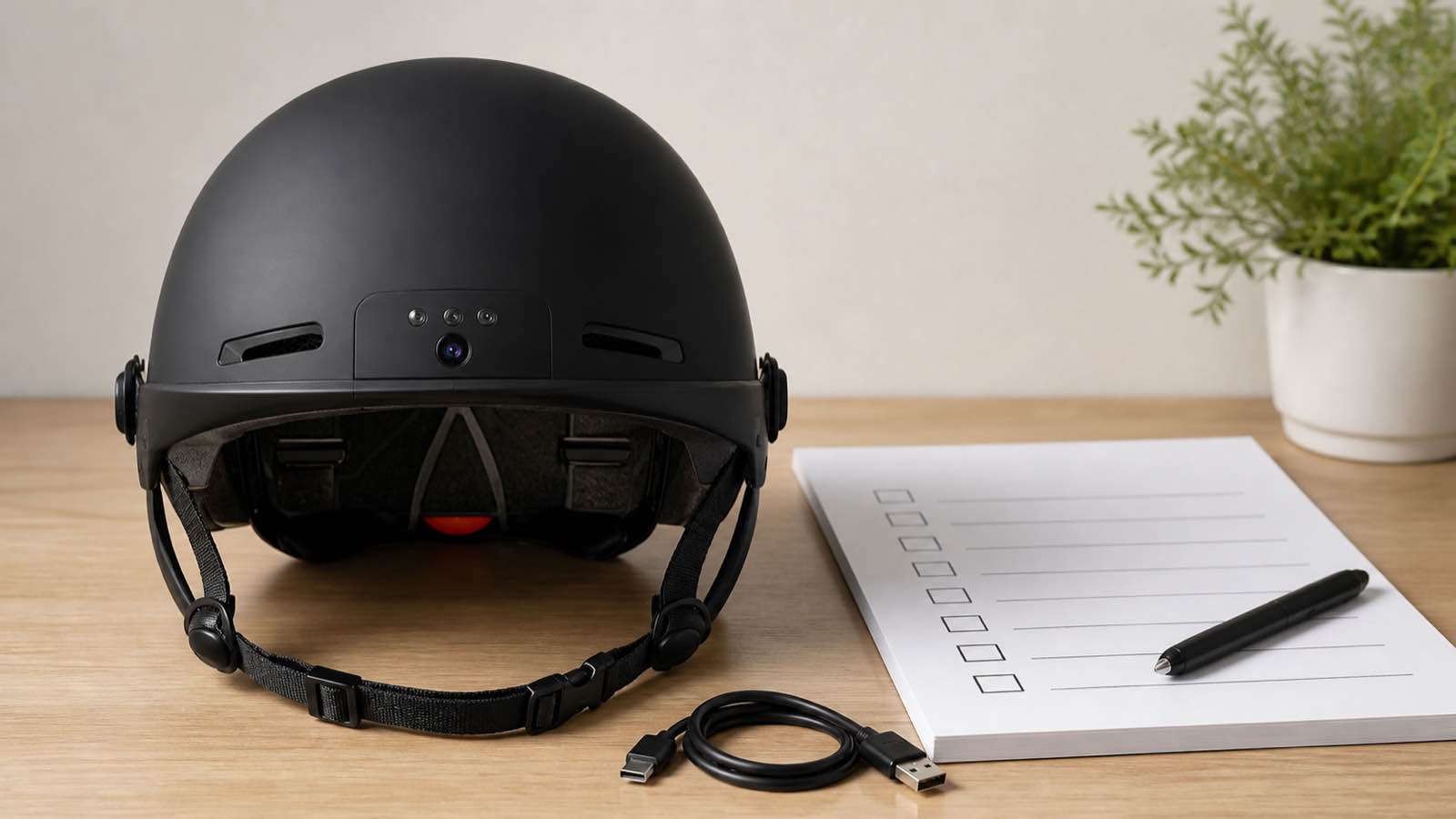
Record several short 1080P clips with the actual sample, confirm the fixed-time loop behavior, then transfer files through the Type-C port. Use a known compatible card up to the stated 128 GB maximum. Record the menu sequence, indicator behavior, storage result and the instructions a customer needs when the card is full or a file cannot be found. The most useful outcome is a short seller checklist based on the actual shipped sample.
A quality-control review should also include lens cleanliness, image framing, basic sound capture if included, cable fit and the condition of the card slot after repeated use. Avoid promising a stated runtime from a legacy document; test the specific production sample and quote only a verified configuration if a runtime is later approved.
Validate Bluetooth as an onboarding flow
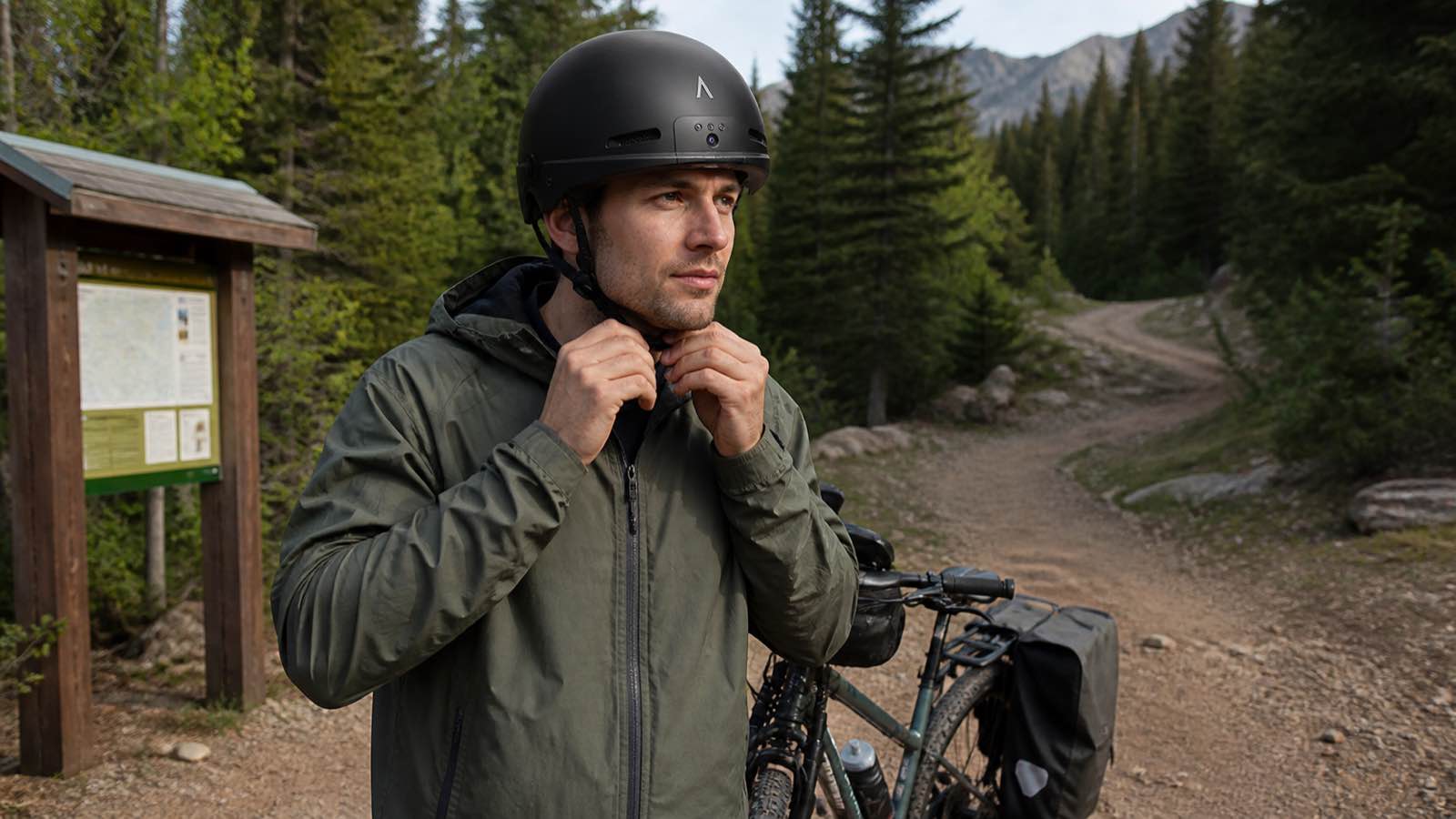
Bluetooth should be tested as a sequence, not a badge. Pair the sample with the intended phone type, confirm the basic functions the distributor plans to show, then document how to reconnect, charge and reset the product. Do not claim support for every phone model, intercom system, region or audio use case unless those details are formally confirmed. The goal is a stable retailer workflow, not a broad technology claim.
Where a product includes call or audio features, the importer must also confirm local rules for hands-free use and safe operation. Marketing material should tell customers not to adjust controls while moving and to follow applicable road and privacy laws.
Develop a clear assortment and visual story
Use real product imagery that preserves the actual helmet profile, buttons, mounts and trim. One body image can show a stationary pre-ride sample check, one can show an indoor product-support demonstration and one can show a branded packaging review. Do not add imagined light effects, safety labels or accessory parts. The visual story should answer the practical buyer question: can this product be demonstrated and supported by our channel?
For a smaller standalone action-camera alternative, see the touchscreen thumb camera guide. This comparison can help a category buyer decide whether a multi-function helmet programme adds value or creates unnecessary support overlap.
Confirm the private-label scope only after sample approval
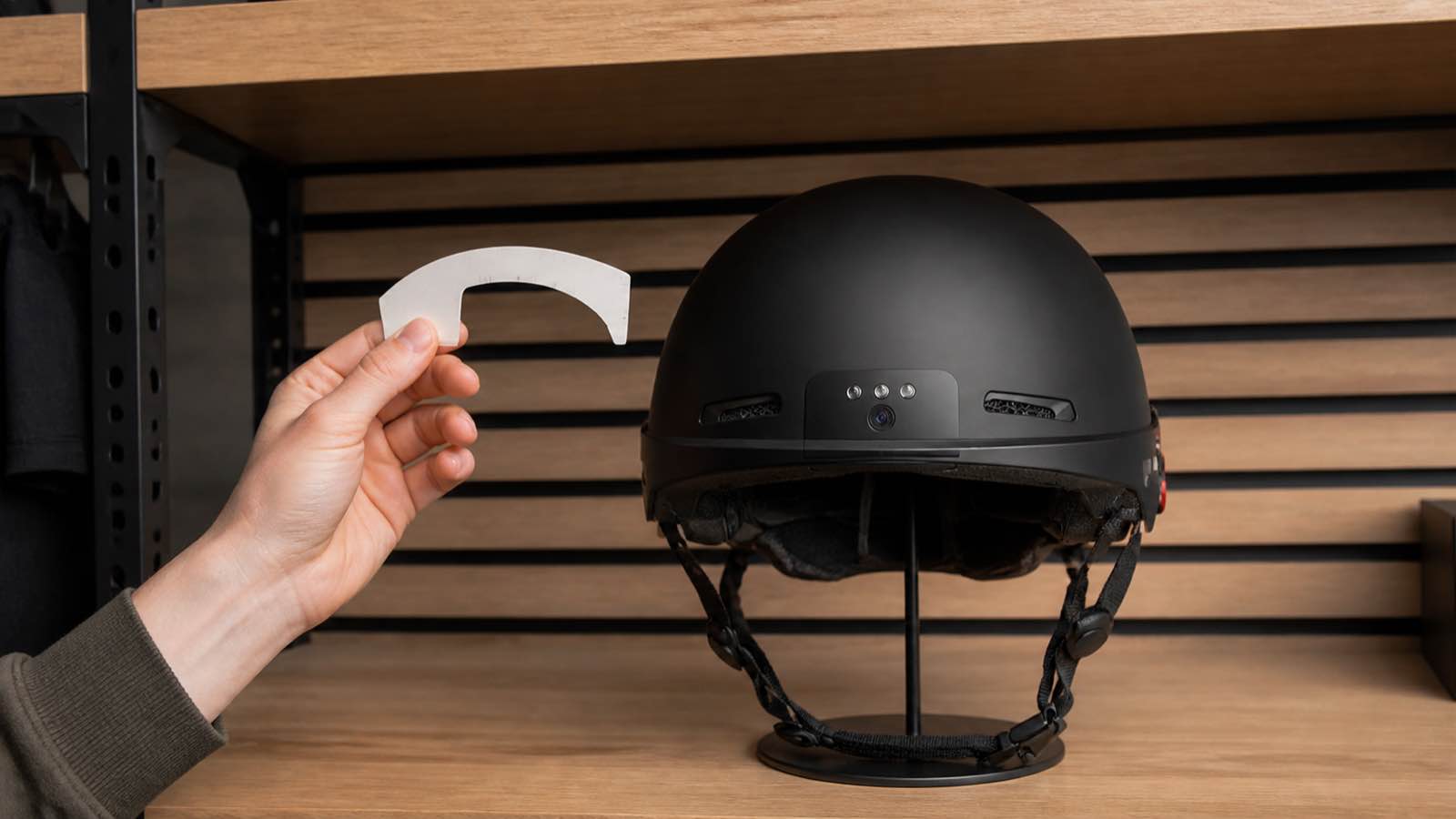
When the sample checklist passes, define the logo, packaging, manual language, included accessories, target country and support contact. The Eleshine OEM/ODM overview provides general B2B context, while each production detail still requires project confirmation. Do not convert a draft conversation into a promise about MOQ, delivery time, certification or Bluetooth adaptation.
Use the Eleshine contact page to share your intended sales channel, country, expected quantity and documentation needs. A complete sample brief lets both sides evaluate the product responsibly.
FAQ for B2B buyers
Does Bluetooth support mean the helmet works with every phone or intercom?
No. Test the actual sample with the intended launch devices and publish only the functions that have been confirmed for the product configuration.
Can Bluetooth features be used to make safety claims?
No. A communication or warning feature does not establish helmet certification, rider safety or compliance with local riding regulations.
What should the distributor test before repeat order?
Test card recording, file transfer, charging, pairing, reconnecting, controls, packaging instructions and the exact compliance documents required for the target market.
How to Evaluate a Rear-View Recording Helmet Camera for B2B Rider Accessory Programs
How to Evaluate a Camera-Integrated Riding Helmet for B2B Accessory Channels