Telescope Camera Guide: Definition, Use Cases & Buying Considerations (2025)
TL;DR
A telescope camera is an accessory that attaches to a telescope eyepiece to enable digital viewing and recording.
It is widely used in education, astronomy observation, and hobbyist learning environments.
It does not replace professional astronomical imaging systems or fixed observatory equipment.
Introduction
A telescope camera is a compact digital accessory designed to attach directly to a telescope eyepiece, allowing users to capture, record, and share what they observe through traditional optical telescopes.
This guide focuses on telescope-mounted cameras used for education and hobby observation, not professional observatory imaging systems or standalone surveillance cameras.
As traditional telescopes continue to be used in classrooms, clubs, and outdoor observation, demand has grown for simple ways to add digital capabilities without modifying the telescope itself.
This article explains how telescope cameras work, where they are most effective, and what factors matter when choosing one in 2025.
How a Telescope Camera Works
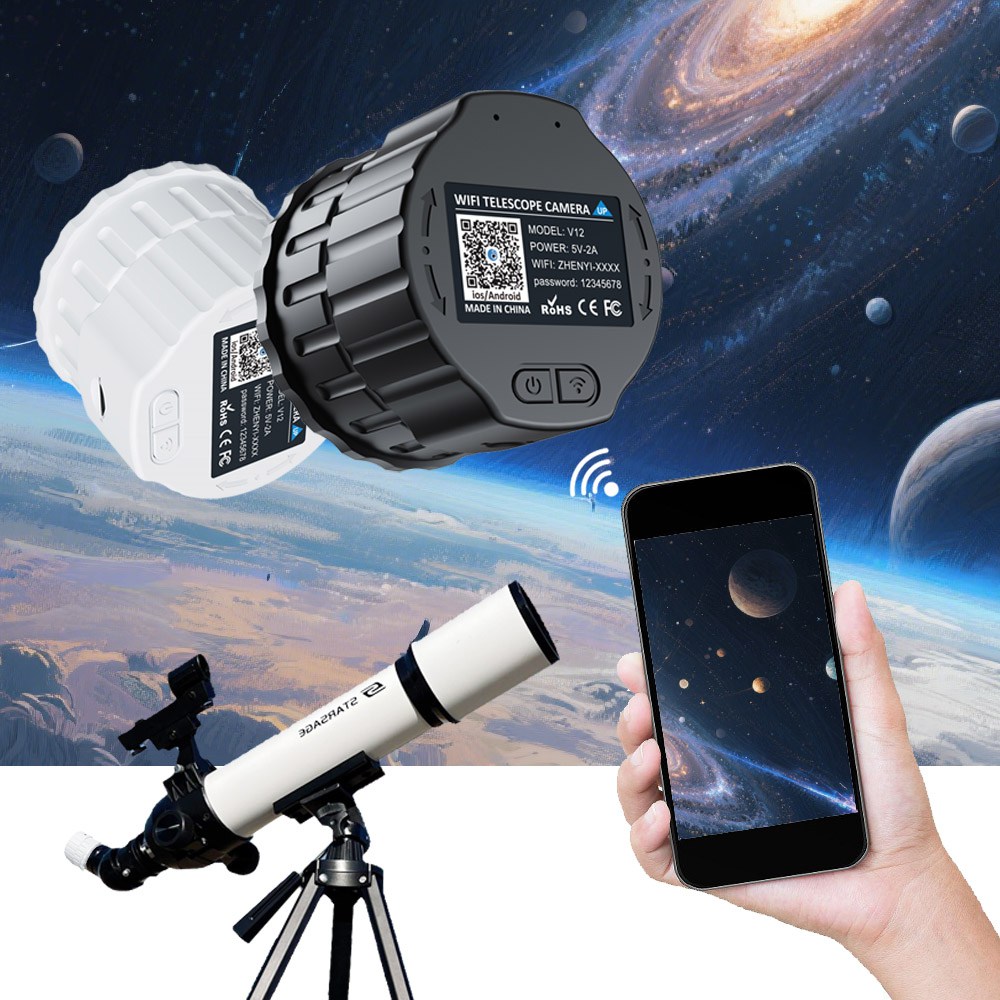
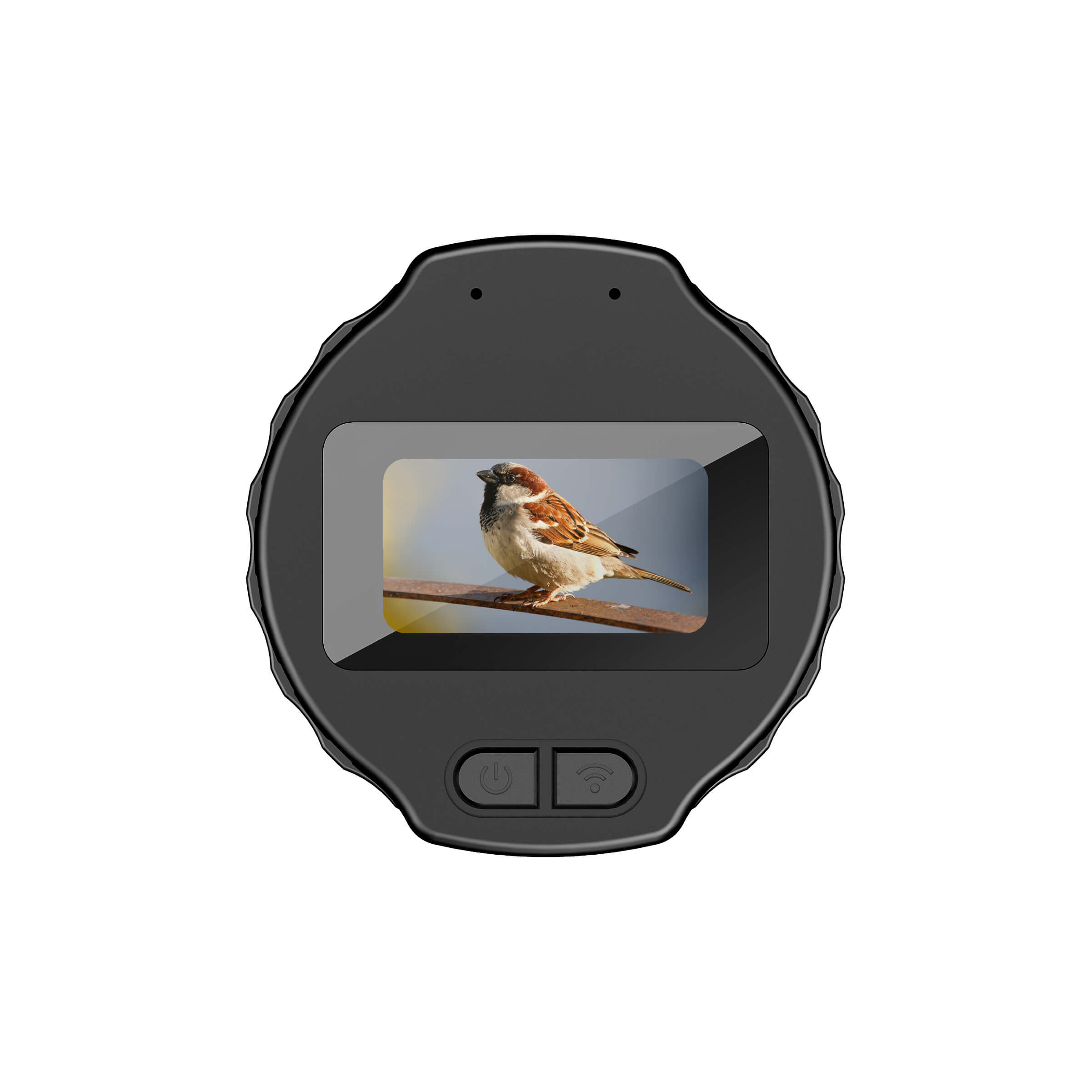
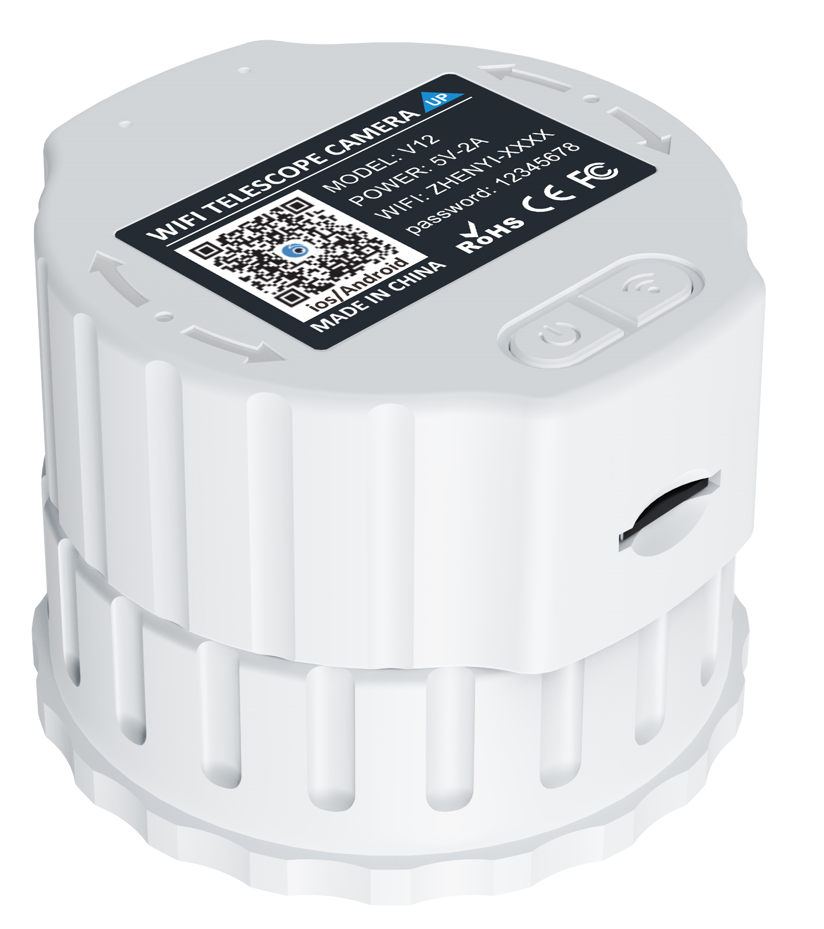
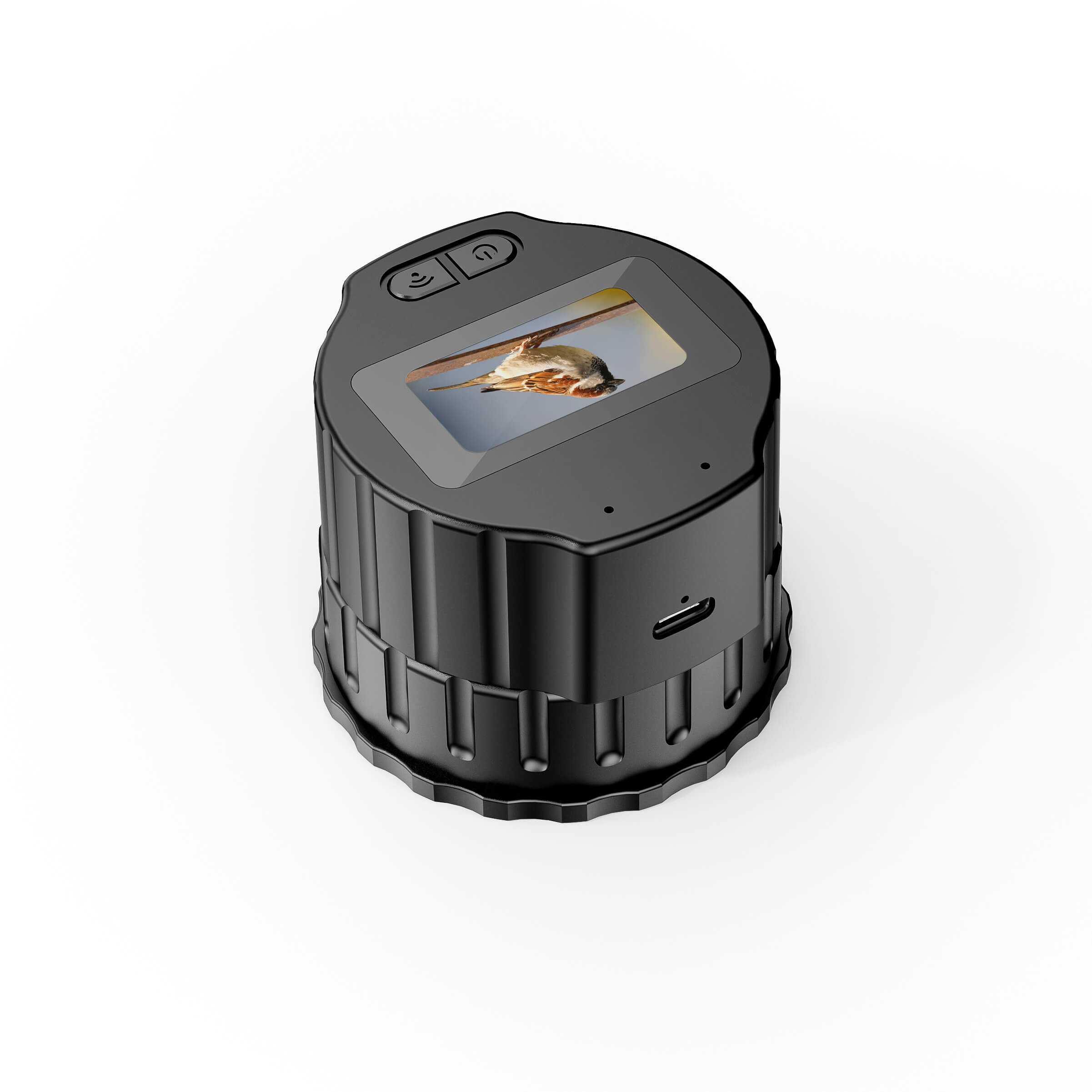
A telescope camera mounts directly onto the eyepiece of a standard telescope using a universal eyepiece mount. The camera captures the optical image formed by the telescope and converts it into a digital signal using a digital imaging sensor.
Once attached, the camera enables real-time observation through a connected device, allowing multiple users to view the image simultaneously. This is particularly useful for educational demonstration and group learning environments.
Many telescope cameras support direct WiFi connection, allowing users to connect to a smartphone or tablet through a mobile viewing application. This eliminates the need for additional cables or network equipment and simplifies setup for first-time users.
Because the camera functions as an external accessory, the original optical performance of the telescope remains unchanged, preserving its traditional use while extending its functionality.
[? Internal Link Opportunity: Telescope Camera Product Page]
Technical Characteristics Overview
| Parameter | Typical Specification | Notes |
|---|---|---|
| Mounting Method | Universal eyepiece mount | Fits common telescope eyepieces |
| Image Capture | Digital imaging sensor | Converts optical image to digital |
| Viewing Mode | Real-time observation | Supports group viewing |
| Connectivity | Direct WiFi connection | No router required |
| Control Interface | Mobile viewing application | Photo and video capture |
| Portability | Portable observation setup | Suitable for outdoor use |
| Primary Use | Educational demonstration | Learning and teaching |
| User Group | Amateur astronomy | Hobby and education focus |
Real-world Application Scenarios
Scenario A: Classroom and Group Learning
A telescope camera allows teachers to project live telescope views to students’ devices during astronomy lessons. This supports shared observation and improves learning efficiency without requiring each student to use the eyepiece individually.
Scenario B: Hobby Observation and Travel Use
For amateur astronomy enthusiasts, a portable telescope camera enables easy documentation of observations during outdoor trips. The lightweight design makes it suitable for travel and mobile observation setups.
[? Internal Link Opportunity: Astronomy Observation Guide]
Frequently Asked Questions
What is a telescope camera used for?
A telescope camera is used to convert optical telescope views into digital images or video, allowing users to view, record, and share observations more easily.
Does a telescope camera replace a professional astronomy camera?
No. Telescope cameras are designed for education and hobby use, while professional astronomy cameras are built for advanced scientific imaging.
Is WiFi required for a telescope camera to function?
WiFi is used for live viewing and file transfer, but image capture itself is handled by the camera once it is powered on.
Conclusion
A telescope camera provides a practical way to add digital viewing and recording capabilities to traditional telescopes without modifying their structure.
By understanding its scope, limitations, and ideal use cases, educators, hobbyists, and distributors can determine whether it fits their observation needs.
For product evaluation, OEM cooperation, or wholesale inquiries, related telescope camera resources from Eleshine can be reviewed.
Explore the Night Sky – Record and Share Your Telescope Views Anywhere
WiFi Eyepiece Camera: Digital Microscope & Telescope Solution
Related Article