How to Use a Spy Camera Detector: Global Travel Security Guide
Technical Protocol: Effectively Using Spy Camera Detectors for Global Travel Security
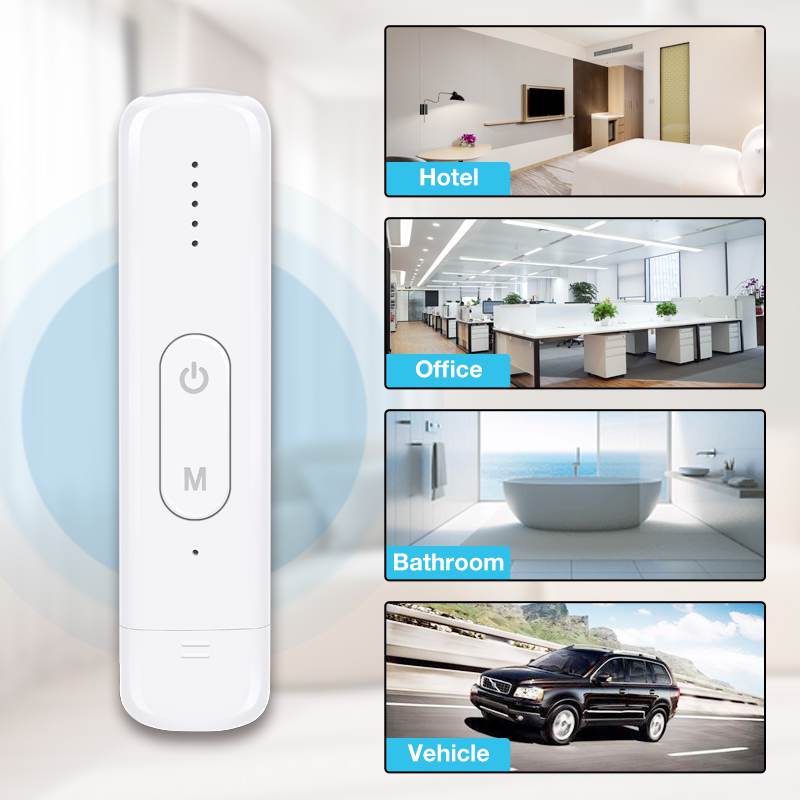
Quick Summary: In an era of increased surveillance, maintaining privacy during international travel requires a structured Technical Surveillance Counter-Measures (TSCM) approach. This guide outlines the professional SOP for deploying portable hidden camera detectors, utilizing RF (Radio Frequency) and infrared lens-finding technologies to secure sensitive environments such as hotels, rentals, and boardrooms.
For the modern professional or corporate traveler, privacy is a non-negotiable component of personal security. Whether navigating high-surveillance regions or standard international hubs, understanding the mechanics of clandestine recording devices is the first step in risk mitigation.
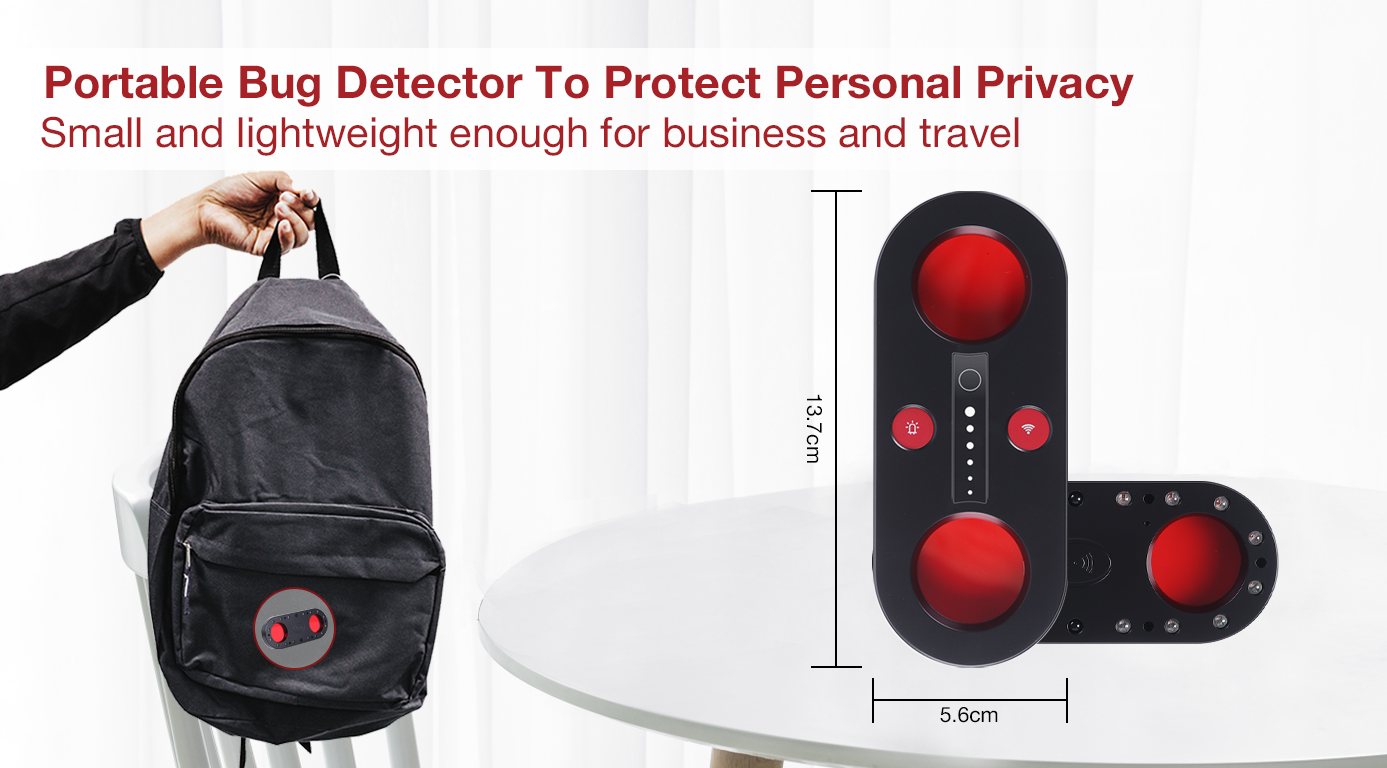
1. Strategic Hardware Selection: The Hybrid Advantage
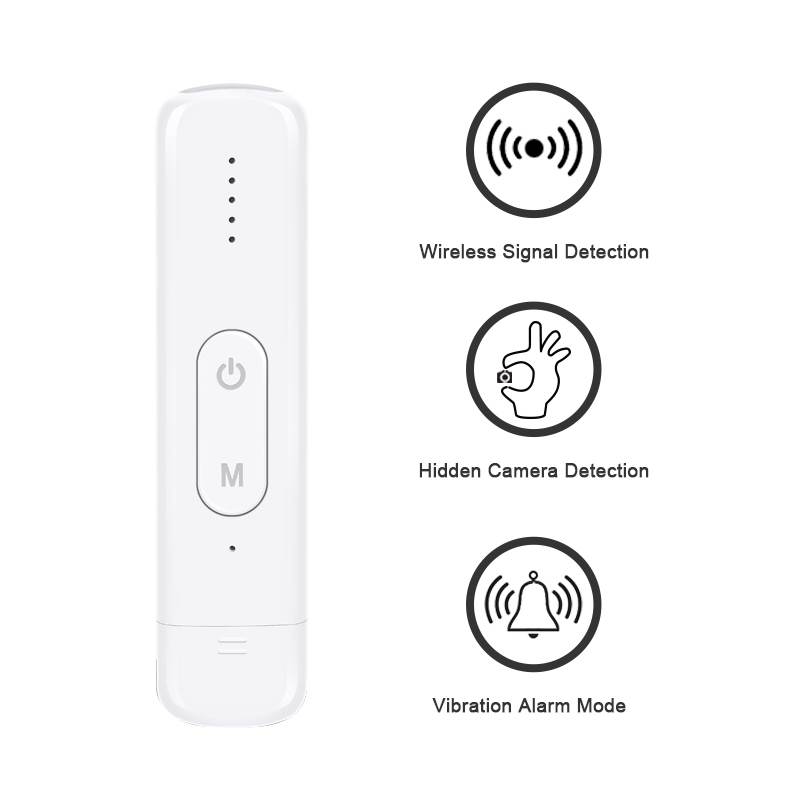
Professional detection requires a dual-mode approach. Do not rely solely on smartphone applications, which are limited by the phone's hardware constraints.
-
RF Signal Detection: Capable of identifying active transmissions from 1MHz to 6.5GHz. This covers WiFi, Bluetooth, and cellular-based cameras.
-
Infrared Lens Finder: Utilizes ultra-bright LED arrays to reveal the reflective surfaces of optical lenses, even if the camera is powered off.
2. Environmental Preparation: Eliminating Interference
To achieve high-integrity results, you must minimize "Signal Noise." Before initiating a scan, perform the following:
-
Disable Authorized Wireless: Power down known smartphones, tablets, and mobile hotspots.
-
Isolate the Network: If possible, briefly unplug the room's WiFi router to ensure any signal detected thereafter is from an unauthorized source.
3. The Systematic Scanning Protocol (SOP)
Efficiency in detection is a product of speed and coverage. A professional sweep should follow these specific tactical steps:
| Step | Action | Focal Points |
| I | Visual Audit | Smoke detectors, wall clocks, and power adapters. |
| II | Active RF Sweep | Move the device slowly in a grid pattern. |
| III | Optical Reflection | Use the IR viewfinder to check air vents and mirrors. |
| IV | High-Traffic Audit | Bathrooms, bedside tables, and desks. |
4. Technical Nuance: Sensitivity and False Positives
One of the most common user errors is failing to manage Sensitivity Thresholds.
Professional Tip: Start with the sensitivity at its maximum to find the general direction of a signal. As the detector’s alarm intensifies, gradually reduce the sensitivity to "home in" on the specific localized source. This prevents the detector from being overwhelmed by ambient electronic clutter.
5. Tactical Logistics: Portability and Power
For frequent international transit, the hardware must be compliant with aviation and mobility standards.
-
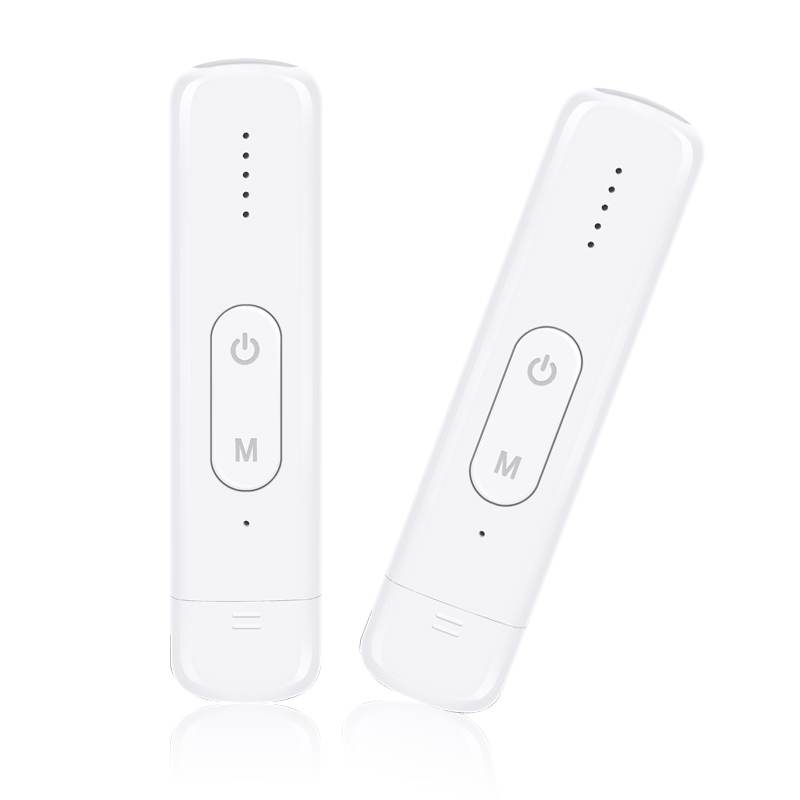
Form Factor: Opt for "Pen-style" or pocket-sized detectors that offer discreet operation in public or shared spaces.
-
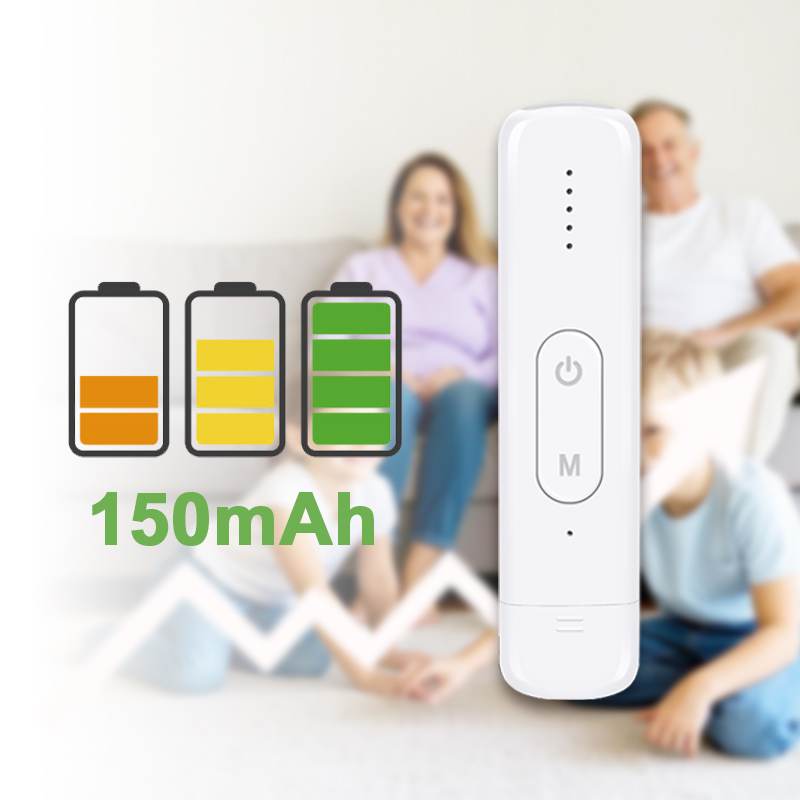
Battery Management: Modern professional detectors are engineered for long-term deployment, often featuring high-density lithium batteries with standby times of 24 to 30 days, ensuring the device is operational throughout extended missions.
Portable 3-in-1 Intelligent Detector: Professional TSCM Bug Finder
Top Applications of Spy Camera Detectors: Where Privacy & Security Matter Most
Related Article