Helmet Camera: Definition, Use Cases & Buying Considerations (2025)
TL;DR
A helmet camera is a compact recording device mounted on a riding helmet for hands-free video documentation.
It is commonly used by riders and delivery fleets who need continuous recording during movement.
It is not designed to replace fixed surveillance systems or professional broadcast equipment.
Introduction
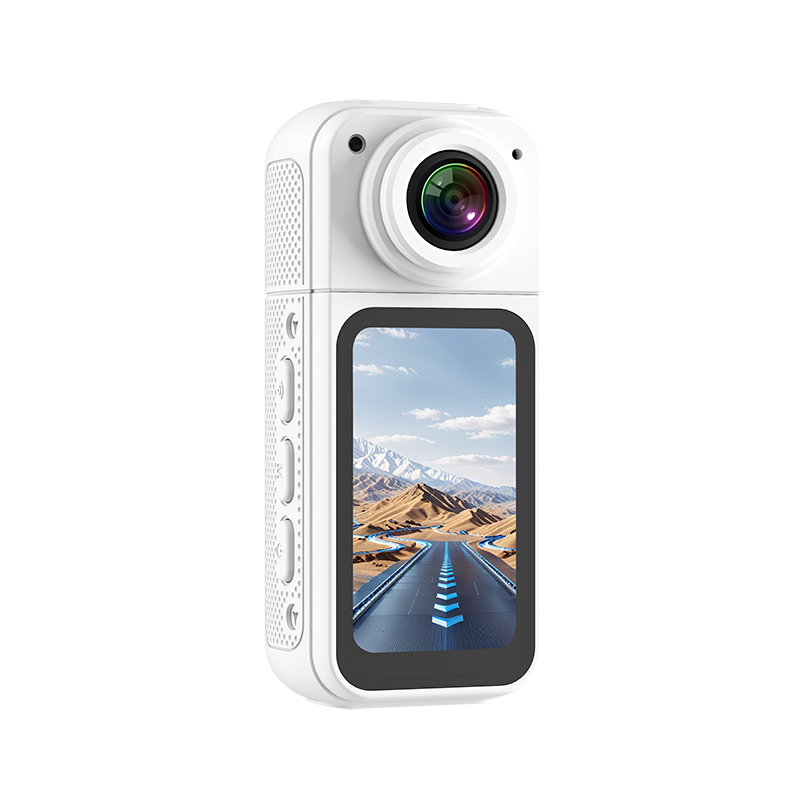
A helmet camera is a compact recording device designed to be mounted directly onto a riding helmet, enabling hands-free video and photo capture during movement.
This page focuses specifically on helmet-mounted cameras used for riding and mobility scenarios, not body cameras, dash cameras, or fixed security systems.
As riding activities increasingly overlap with commuting, delivery work, and outdoor travel, helmet cameras have evolved from simple recorders into integrated riding accessories that support documentation and connectivity.
This article explains how helmet cameras work, where they are best applied, and what buyers should consider in 2025.
How a Helmet Camera Works
A helmet camera integrates an action camera module into a compact housing that attaches to a helmet using a dedicated helmet mounting system. Once installed, the camera records video without requiring manual handling during riding.
Most helmet cameras rely on loop recording, which automatically overwrites older footage to ensure continuous operation. This removes the need for manual storage management and is especially useful for daily riders and delivery fleet operations.
Many models support WiFi direct connection, allowing the camera to connect to a smartphone through a mobile control application. Riders can preview footage, download files, and adjust basic settings without removing the camera from the helmet.
Some helmet cameras also include Bluetooth audio integration, enabling connection with compatible headsets for calls or audio playback. This reduces the need to carry multiple devices while riding.
Power is supplied by a rechargeable lithium battery, optimized for daily commuting and operational riding cycles rather than long-term stationary recording.
[? Internal Link Opportunity: Helmet Camera Product Page]
Technical Characteristics Overview
| Parameter | Typical Specification | Notes |
|---|---|---|
| Recording Core | Action camera module | Optimized for motion capture |
| Mounting Method | Helmet mounting system | Helmet-compatible design |
| Recording Mode | Loop recording | Continuous, hands-free use |
| Connectivity | WiFi direct connection | App-based control |
| Audio Support | Bluetooth audio integration | Headset compatibility |
| Power Source | Rechargeable lithium battery | Daily riding cycles |
| Control Interface | Mobile control application | Remote preview and download |
| Primary Purpose | Riding documentation | Commuting and delivery |
Real-world Application Scenarios
Scenario A: Riding and Delivery Documentation
A delivery rider uses a helmet camera to record routes and incidents during daily operations. Loop recording ensures uninterrupted footage, while mobile app access allows quick review when needed.
Scenario B: When a Helmet Camera Is Not Suitable
A helmet camera is not intended for indoor monitoring, unattended recording, or long-term security surveillance. Fixed cameras or dedicated monitoring systems are more appropriate in such cases.
[? Internal Link Opportunity: Riding Camera Use Case Guide]
Frequently Asked Questions
What is a helmet camera mainly used for?
A helmet camera is mainly used for hands-free video recording during riding activities, helping document routes, incidents, and daily travel without manual operation.
Does a helmet camera replace an action camera?
No. A helmet camera is optimized for mounting stability and daily riding use, while traditional action cameras are designed for flexible mounting and sports filming.
Is WiFi required for a helmet camera to record video?
No. WiFi is used for preview and file management, but recording functions independently once the camera is powered on.
Conclusion
A helmet camera serves as a practical recording tool for riders who require hands-free documentation during movement.
By understanding its scope, technical characteristics, and application limits, buyers can determine whether it fits their riding or fleet requirements.
For further evaluation, OEM cooperation, or wholesale inquiries, related helmet camera product resources can be reviewed through Eleshine.
WiFi Bluetooth Helmet Camera: Wearable DVR for Delivery
Helmet Camera Solutions: B2B Applications & Fleet Safety | Eleshine
Related Article